

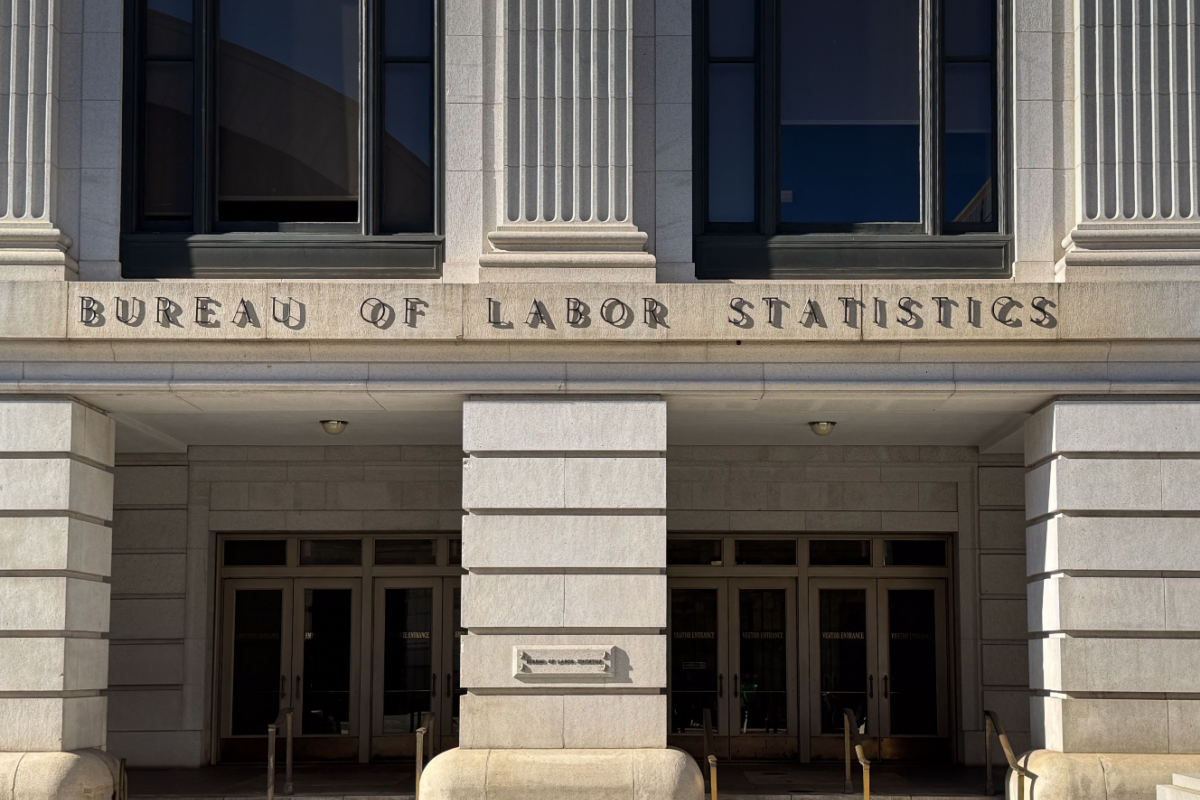
The Bureau of Labor Statistics will release the September nonfarm payrolls report on Thursday, providing the first official snapshot of U.S. employment conditions since early September. The update comes after the prolonged government shutdown halted data collection and forced policymakers and investors to rely on private indicators. While the report is expected to offer some clarity, analysts caution that its backward-looking nature and the broader disruption to data systems will limit its usefulness for real-time decision-making.
Expected Gains and Market Outlook
Economists project that September payrolls increased by fifty thousand jobs across public and private sectors, a modest improvement from the initially reported twenty-two thousand in August. Consensus estimates indicate the unemployment rate will hold at four point three percent, with average hourly earnings rising zero point three percent for the month and three point seven percent annually. Though the labor market remains soft, analysts such as RSM chief economist Joseph Brusuelas say the revisions for July and August may paint a “slightly brighter” picture.
Despite these expectations, Federal Reserve officials are likely to remain cautious. Chair Jerome Powell recently described the current environment as “driving in the fog,” noting that further rate cuts should not be taken for granted until clearer economic signals emerge.
Shutdown Disruptions and Delayed Data
The shutdown has introduced significant delays across the government’s statistical system. The BLS confirmed that October’s employment report will not be issued separately; instead, it will be combined with November’s release now scheduled for December sixteenth. No unemployment rate will be published for October due to missing household survey data. Other key metrics, including the Job Openings and Labor Turnover Survey, will also be released in combined form.
Because of these disruptions, economists warn that clean, reliable readings of labor market conditions may not be available until early next year. Brusuelas noted that the economy is operating in a state of “pervasive uncertainty,” limiting the accuracy of near-term assessments.
Alternative Indicators and Fed Perspectives
Private-sector data sources have filled some of the gap left by government delays. Payroll tallies from ADP, layoff data from Challenger, Gray & Christmas, and other market indicators have helped economists form interim views. Fed Governor Christopher Waller pushed back on the idea that the central bank lacks sufficient information, arguing that policymakers are experienced in drawing insights from whatever data is available.
Goldman Sachs forecasts job gains of around eighty thousand for September, slightly above consensus, but expects a loss of fifty thousand jobs in October. Analysts attribute the anticipated October decline to the end of the federal deferred resignation program tied to the Department of Government Efficiency.
Revisions and Broader Implications
Thursday’s report will also include revisions to July and August payroll figures. Analysts from both RSM and Goldman expect upward adjustments, which could help reinforce the view that the labor market, while cooling, remains resilient. Still, the delayed data flow and shutdown effects mean the September report may have limited impact on market expectations or Federal Reserve policy until more consistent readings return.