

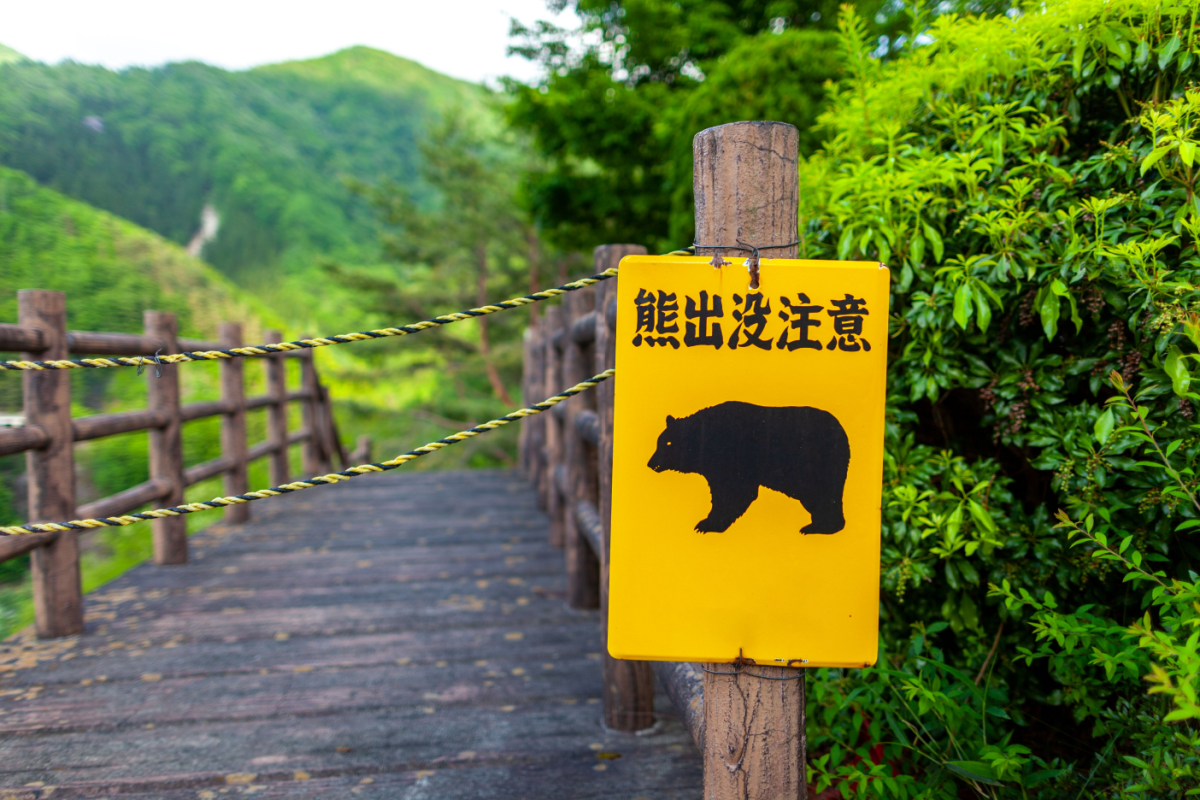
A surge in attacks by Asiatic black bears is reshaping daily life across northern Japan, especially in Akita Prefecture. Once rooted in a cultural belief of coexistence with wildlife, communities are now adopting emergency measures as bear encounters reach record levels. Climate pressures, demographic shifts and dwindling rural populations have contributed to a crisis that has left residents anxious, authorities mobilized and the nation on high alert.
Communities Under Threat
Akita, home to nearly 880,000 people, has reported more than 50 attacks and four deaths this year. Bears have shown up near homes, farms, supermarkets and schools, prompting closures of parks, suspended mail service and cautious commutes where residents carry bells and repellent spray. Nationally, nearly 200 people have been injured and 13 have died, leading foreign governments to issue travel warnings.
The growing proximity between bears and populated areas is often linked to shrinking rural communities. As younger generations leave for cities and traditional farming buffers disappear, bears increasingly wander into human spaces. Japan’s deeply rooted reverence for bears, especially in regions like Hokkaido, has been overshadowed by the urgency to protect residents.
Environmental Pressures and Changing Behavior
Experts attribute the spike in activity partly to climate change. Severe storms have damaged vegetation, disrupting the supply of beech nuts that bears rely on. Facing food shortages, bears are venturing farther and behaving more aggressively as they search for calories. With the bear population now exceeding 50,000 nationwide, interactions are expected to continue, especially during the autumn and spring periods when bears are hungriest.
Government Response and New Tools
Authorities have escalated intervention efforts. Troops have been deployed to set traps, riot police are patrolling forested areas and drones are being used to search for bears or simulate barking dogs. Japan has even relaxed strict gun laws to allow easier use of firearms in residential zones. Universities are contributing digital tools, such as AI-based prediction maps that forecast bear movement.
Despite these measures, concerns persist among traditional matagi hunters, who observe rituals honoring the spiritual significance of bears. Their numbers have dwindled sharply, leaving fewer skilled hunters to assist with wildlife management.
Daily Life Disrupted
Residents describe a constant sense of unease. Families keep children indoors, businesses shorten operating hours and tourists limit excursions. Some individuals, like confectioner Keiji Minatoya, who survived a severe attack, have called for aggressive population control. Others express sympathy for the animals, noting that habitat shifts have pushed bears into human spaces.
The impact extends to cultural hubs such as Senshu Park, where repeated closures have disrupted seasonal tourism. Community workshops now focus on bear safety, while emergency drills simulate encounters to prepare residents and officials.
Conclusion
Japan’s escalating bear encounters underscore the clash between environmental change, demographic decline and longstanding cultural values. While authorities deploy new technologies and emergency measures, many communities remain in a state of uncertainty. Residents continue adapting to a landscape where coexistence now requires heightened vigilance and innovative strategies.