

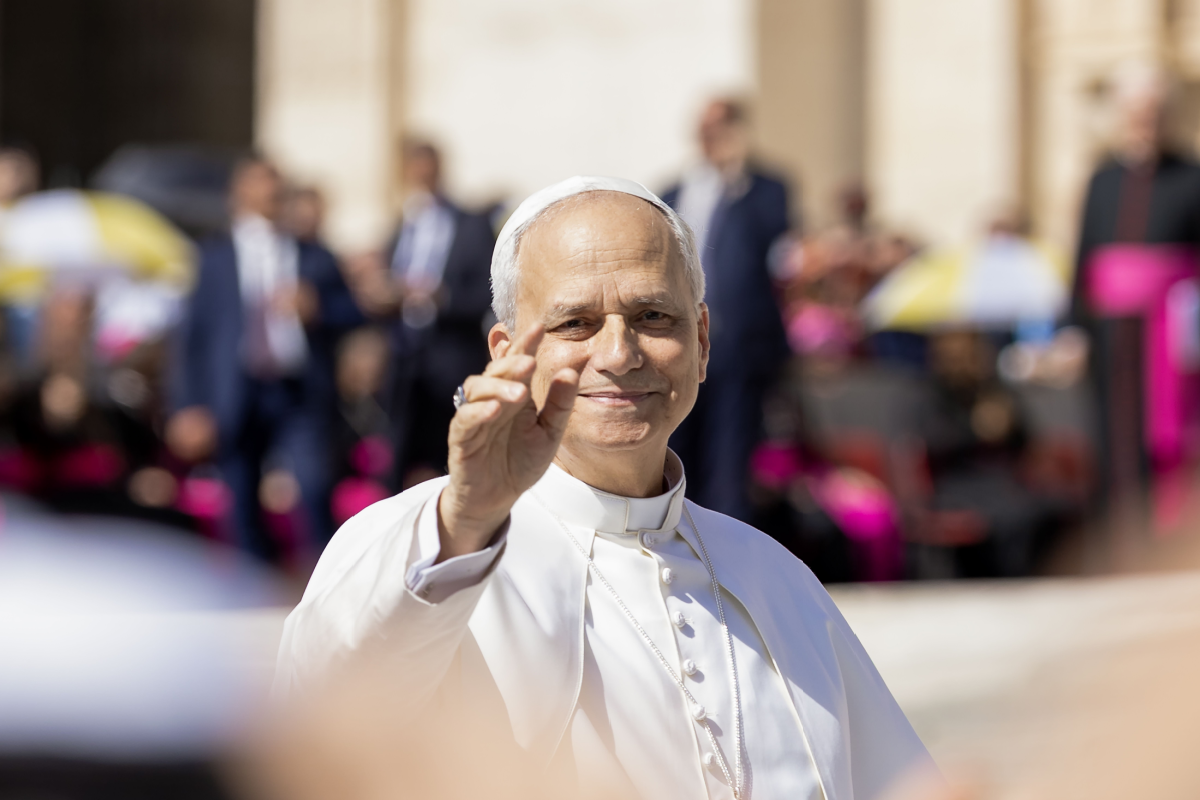
A Symbolic Return to Christianity’s Early Roots
IZNIK, Turkey — On the second day of his first foreign trip, Pope Leo XIV visited the archaeological remains of the church where early Christian leaders gathered for the First Council of Nicaea 1,700 years ago. The council produced the foundational creed still recited in churches today.
Standing beside Ecumenical Patriarch Bartholomew, the spiritual head of Eastern Orthodox Christians, the Pope prayed at the lakeside ruins and emphasized that faith must never be used to justify conflict. “We must strongly reject the use of religion for justifying war, violence, or any form of fundamentalism or fanaticism,” he said, calling instead for dialogue and cooperation.
A Message Focused on Healing Divisions
Unity has been the defining theme of Pope Leo’s trip, underscored during his address alongside Turkish President Recep Tayyip Erdogan a day earlier. The Pope warned that global political polarization is jeopardizing humanity’s future, urging religious and civic leaders to model reconciliation.
The council convened in 325 under Emperor Constantine, who sought to resolve deep doctrinal divides within a Church emerging from centuries of persecution. The fiercest conflict centered on the teachings of Arius, an Alexandrian priest who argued that Jesus was a created being rather than equal to God.
Historic Ruins Reveal a Lost Basilica
The council ultimately rejected Arius’ position, affirming that Jesus is “of one substance” with the Father — language that became the backbone of the Nicene Creed. The precise site of the gathering was unknown for centuries, until aerial photographs taken 11 years ago revealed the submerged remains of a Byzantine basilica beneath Lake Iznik.
Turkish archaeologist Mustafa Sahin confirmed that the basilica lay under roughly eight feet of water. As the shoreline receded in recent years, the apse and graves that once rested underwater emerged fully into view. Locals have long known the spot; swimmers sometimes rested on the ancient stones during periods of low water.
A Modern Gesture of Reconciliation
The Church remained largely unified until the Great Schism of 1054, which divided Catholic and Eastern Orthodox Christianity over theology and authority. Against that historical backdrop, Pope Leo and Patriarch Bartholomew shared a silent moment of prayer on Friday over the exposed ruins of Saint Neophytos Basilica.
Ahead of the visit, Pope Leo issued an apostolic letter calling the Nicene Creed a “common heritage of Christians” written when the Church was still healing from persecution. On Saturday, he and the Patriarch are expected to sign a joint declaration affirming a renewed commitment to cooperation and unity.