

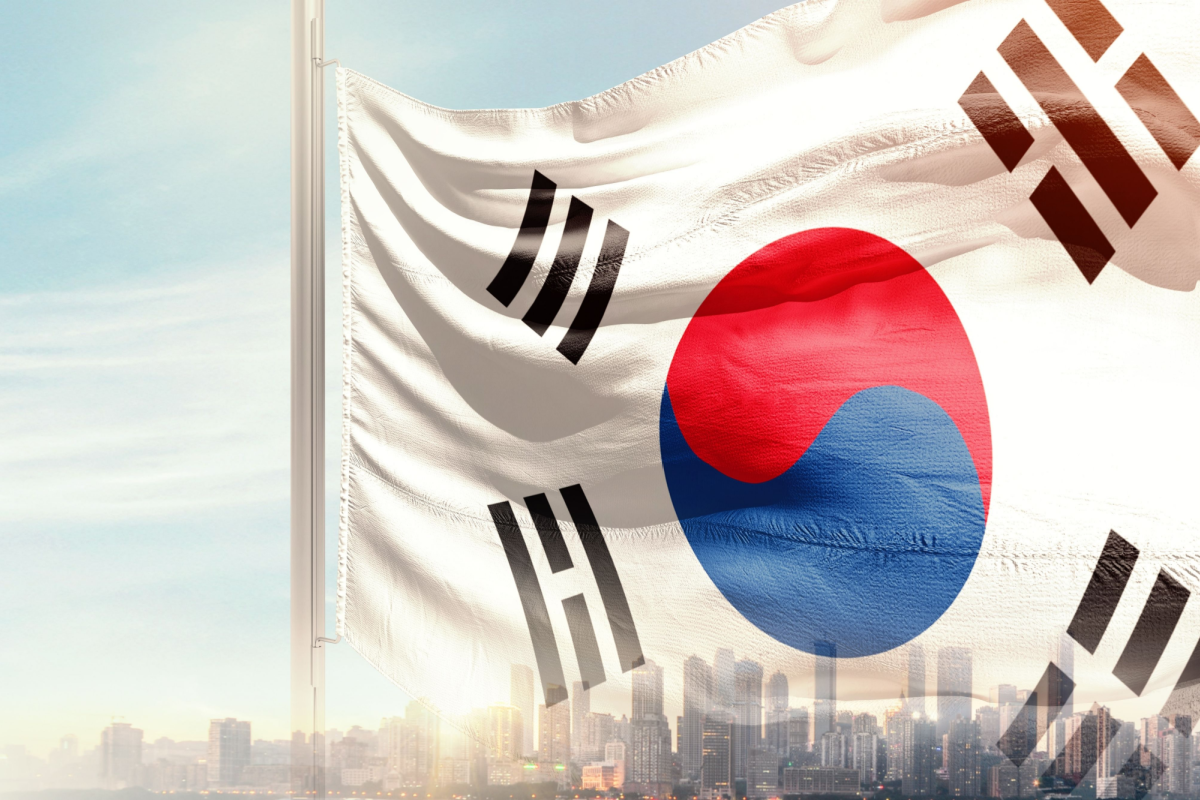
President Lee Praises Citizens for Defending Democracy
A year after South Korea averted a constitutional breakdown, President Lee Jae Myung used a Wednesday press conference to commend ordinary citizens for helping stop an attempted power grab by his predecessor. He said the public had “astonished the world” by safeguarding democratic institutions during what officials now describe as a self-coup attempt.
The crisis erupted when former President Yoon Suk Yeol declared martial law last November, accusing parliament of “legislative dictatorship.” Troops were dispatched to the National Assembly, political activity was suspended, and emergency decrees were issued. Within six hours, lawmakers voted down the declaration, forcing Yoon to reverse course. Thousands of citizens gathered outside the legislature to shield it from military units, an act Lee highlighted as decisive.
Former President Yoon Faces Multiple Indictments
Investigations began almost immediately after the failed martial law attempt. Yoon was impeached in December 2024 with support from members of his own party, and the Constitutional Court unanimously upheld his removal in April. He became the first sitting South Korean president to be arrested, and he is now indicted on charges including insurrection, abuse of power and attempted treason.
A special counsel later alleged that Yoon ordered drone incursions into Pyongyang in October 2024 to provoke retaliation and justify imposing martial law. More than a dozen high-ranking officials — including military commanders, the former defense and interior ministers, and ex–prime minister Han Duck Soo — have also been charged. Han’s trial is the furthest along, with a verdict expected in January 2026.
Reforms Aim to Prevent Future Abuse of Emergency Powers
In July, lawmakers passed reforms to restrict martial law powers and strengthen protections for the National Assembly. Military and police personnel are now barred from entering the parliamentary complex without the Speaker’s approval, even during emergencies. Additional proposals would allow public servants, including soldiers, to legally refuse unlawful orders.
Defense Minister Ahn Gyu Back has since overhauled senior military leadership and launched audits of units implicated in the failed takeover. President Lee has initiated a broader review of civil servants who supported martial law operations. He also proposed constitutional changes that would replace the single five-year presidency with two four-year terms, introducing midterm electoral accountability.
Political Landscape Shifts as Public Trust Rebounds
Recent polling shows confidence in core institutions recovering, yet political polarization has deepened. Seventy seven percent of respondents say division has worsened since the crisis. Yoon’s People Power Party, now in opposition, remains divided over whether to apologize for the former president’s actions. Only a minority of its lawmakers offered contrition during a press event on Wednesday.
With local elections approaching, the party faces a strategic dilemma: appeal to moderates by acknowledging wrongdoing or continue defending Yoon to maintain conservative support. For President Lee, the challenge lies in balancing accountability with unity. “We need to unite,” he said, “but unity doesn’t mean stitching things up.”
Global Implications and Strains on Alliances
Internationally, the attempted self-coup damaged South Korea’s reputation as a stable democracy. It also created diplomatic friction with the United States, which had backed Yoon as a reliable partner. Allegations that he staged provocations involving North Korea have raised concerns in Washington, particularly given the presence of U.S. forces on the peninsula.
Still, Lee expressed hope that South Korea’s experience will serve as “a historic example for the restoration of democracy” globally. Much will depend on whether the country maintains stability and avoids further political upheaval in the years ahead.