

Countdown starts as final spots and roster cuts loom
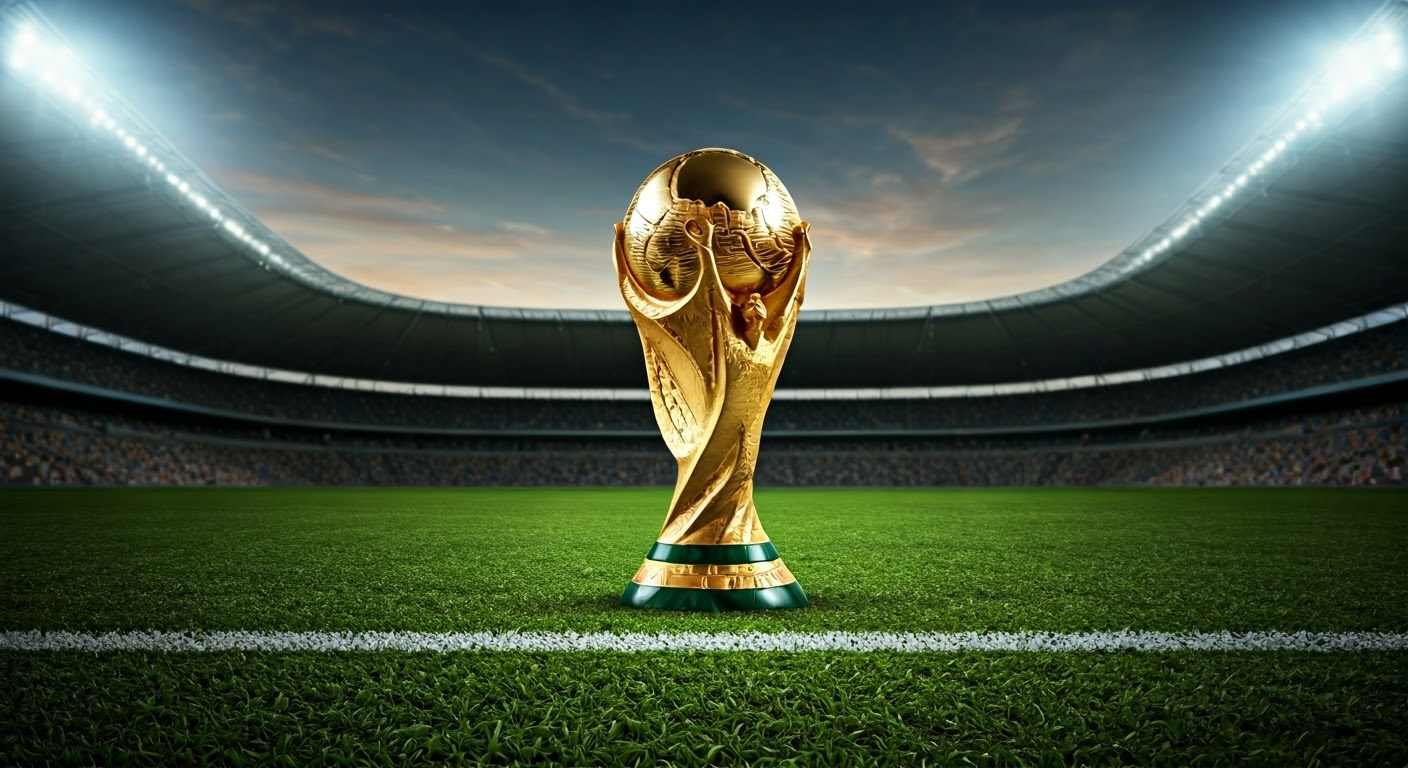
Tuesday, March 3 marks 100 days until the 2026 World Cup begins, with Mexico set to host South Africa in Mexico City on June 11. While much of the field is already known, the next few weeks will shape the tournament in ways that rankings cannot fully capture.
The last week of March will decide the final six tournament berths, with four teams coming through Europe and two more emerging via an intercontinental playoff. At the same time, the European club season is entering its decisive stretch, a period that typically brings heavier workloads and a higher injury risk for top players. Those setbacks can quickly change national team ceilings, especially for squads that depend on a small number of difference-makers.
Then comes the final selection squeeze. All 48 national team coaches are expected to make their last roster cuts only weeks before the opening match. Even for strong programs, that process can expose depth issues, fitness concerns, and positional gaps that are easy to hide when projecting from a full player pool.
Top 15 list reflects current form and perceived tournament readiness
A survey of reporters covering the tournament produced a 15-team snapshot of who looks strongest right now. The ranking combines current performance, squad strength, and how complete each team appears with 100 days remaining, even though some notable nations are still trying to qualify. Italy drew conditional support from several voters, contingent on navigating a playoff bracket that includes Wales, Bosnia and Herzegovina, and Northern Ireland.
Spain sits first with 15 first-place votes and a FIFA rank of 1 for the January and February 2026 window. France and Argentina follow, each collecting two first-place votes, with FIFA ranks of 3 and 2. England and Brazil round out the top five. Portugal is sixth, Germany seventh, and the Netherlands eighth. Morocco ranks ninth, followed by Colombia, Belgium, Norway, Senegal, Croatia, and Japan at 15.
Recent World Cup outcomes remain part of the context. Spain exited in the round of 16 last time, France finished runners-up, and Argentina are the defending champions. Germany and Belgium went out in the group stage, while Morocco finished fourth. Colombia and Norway did not qualify for the last World Cup, making their current placement a measure of momentum and perceived progress rather than recent tournament pedigree.
Why the leaders rate highly, and what could trip them up
Spain’s position reflects depth and a high baseline style, even with questions in defense and at goalkeeper selection, where Unai Simon is seen as the likely choice despite David Raya’s club form. Spain’s attacking talent includes Lamine Yamal, Pedri, and Ferran Torres. Voters also noted the risk of overload for younger stars as minutes accumulate into the spring.
France remains viewed as the deepest squad in the field, with Kylian Mbappe still central to their ceiling. Voters flagged two sources of uncertainty: managing the emotional weight of the 2022 final loss to Argentina and the pressure of a known managerial transition, with Didier Deschamps set to step down after France’s World Cup run. A demanding group assignment, including Senegal and Norway, also raises the difficulty of a smooth start.
Argentina’s third-place ranking reflects both stability and transition. Lionel Messi remains the headline, but the team has strong tournament-tested structure and quality around him, including Rodrigo De Paul, Enzo Fernandez, Alexis Mac Allister, and Lautaro Martinez. Emiliano Martinez continues to be viewed as an elite goalkeeper. The main question is whether the next wave can maintain the same intensity and balance that delivered the 2022 title.
England’s placement is familiar: elite talent with persistent lineup puzzles. Harry Kane anchors the scoring, while Bukayo Saka, Anthony Gordon, and Declan Rice remain key pillars. The recurring concern is fit and function, especially in the left-back area and in the midfield balance around Rice, plus the right center back pairing to handle top opponents. A group with Croatia, Ghana, and Panama is seen as a test that offers limited room for slow starts.
Brazil’s top-five ranking comes with a new managerial storyline, with Carlo Ancelotti expected to shape a clearer identity around Rodrygo, Raphinha, and Vinicius Jr. Voters still see defensive consistency as the swing factor, with Gabriel and Alisson identified as stabilizing figures and midfield control relying heavily on Bruno Guimaraes and Casemiro.
Mid-tier threats and the variables that can reorder the field
Portugal, Germany, and the Netherlands form a second cluster where ceiling and reliability remain debated. Portugal’s outlook depends on how Roberto Martinez uses Cristiano Ronaldo alongside a deep cast including Bruno Fernandes, Rafael Leao, Bernardo Silva, Vitinha, Ruben Neves, Nuno Mendes, and Ruben Dias. Germany’s recent history of group-stage exits remains a warning even with top-end talent such as Joshua Kimmich, Florian Wirtz, and Jamal Musiala. The Netherlands are viewed as difficult to predict but hard to break down, with Virgil van Dijk at the center of their defensive identity and Memphis Depay as a focal point in attack.
Morocco, Colombia, and Senegal are positioned as disruptive threats. Morocco arrive with qualifying momentum and a roster built around Achraf Hakimi plus a broad base of European club experience. Colombia’s return to the tournament comes with a strong qualification profile and a blend of goals and control. Senegal carry a recent Africa Cup of Nations title, with leadership from Sadio Mane and Kalidou Koulibaly, and a group draw that demands immediate intensity.
Norway’s rise is tied to Erling Haaland and Martin Odegaard, but the uncertainty is how qualification dominance translates to a first World Cup since 1998. Croatia remain tournament-hardened with Luka Modric still central, while Japan’s steady progression is tempered by concerns over captain Wataru Endo after ankle surgery that will keep him out for the rest of the 2025-26 season.
The next ranking checkpoint is expected at the 50-day mark on April 22 once the full field is finalized. After that, roster decisions and player fitness will do what they always do, reshaping expectations faster than any table can keep up.