

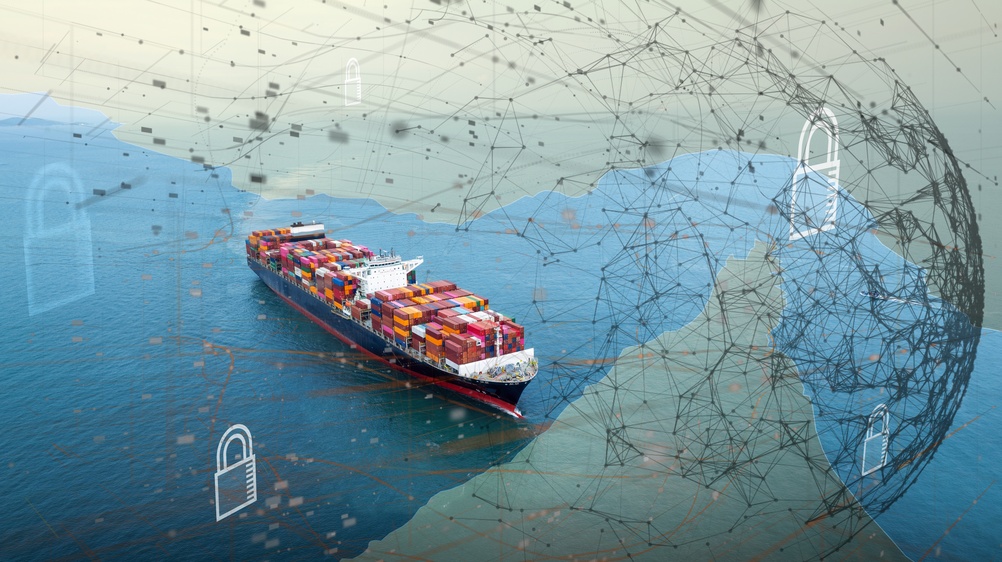
Supply chain disruption linked to the Iran war is raising the risk of higher retail prices in coming weeks, with pressure building from shipping constraints, fuel costs, and weaker consumer confidence. With the Strait of Hormuz effectively shut to many vessels, retailers and logistics firms are warning of volatile pricing and unpredictable service levels as carriers ration capacity and manage rising fuel-related expenses.
Strait Shutdown Hits Inputs Before Finished Goods
The Strait of Hormuz is one of the world’s most important shipping chokepoints, moving massive volumes of crude oil and other exports that feed into global production and transport. The disruption is not limited to energy. It can affect inputs such as fertilizers and industrial materials, which then flow into food production, packaging, and manufactured goods.
Signals from both sides suggest the disruption may not clear quickly. Iran’s new supreme leader, Mojtaba Khamenei, framed the closure as a pressure tactic in his first public remarks since his appointment. In Washington, Defense Secretary Pete Hegseth publicly downplayed the risk. The result for businesses is the same: planning becomes harder, and costs become less stable.
Why Groceries May Move First
Retail supply chains are more flexible than they were years ago, especially after companies adapted to tariff shocks and repeated logistics problems. But not every category can absorb delays equally. Food tends to run on tighter replenishment cycles, with less room to pause production or reroute inventory without consequences. If shipping conditions remain unstable, grocery categories could face earlier price pressure than categories like apparel, where brands can delay orders and recover later.
Logistics provider C.H. Robinson said cargo is still moving, but carriers are operating with constrained capacity, selective acceptance, and fuel-driven cost impacts. That mix typically shows up as higher freight rates and less reliable transit times, which eventually reach retailers’ landed costs.
Retailers Face a Two-Front Problem
Executives and analysts are now watching two pressures at once. The first is input cost pressure, which includes transport, fuel, and certain goods costs. The second is demand pressure, as households reallocate spending when gasoline rises. Even if retailers try to pass through higher costs, unit demand can soften at the same time.
That split often changes who wins and loses. Value-focused chains may see steadier traffic as shoppers trade down, with names like Walmart, Kroger, Dollar General, and Dollar Tree positioned to capture budget-driven trips. By contrast, discretionary-heavy retailers can face tougher conditions if households pull back to cover higher fuel bills. Research notes have pointed to brands such as Five Below and Target as more exposed when confidence deteriorates and baskets shift toward essentials.
Some higher-income or specialty retailers may prove more resilient. Analysts highlighted Costco as a potential beneficiary if its gas price leadership becomes more valuable and draws shoppers who are willing to wait for cheaper fuel, supporting traffic even when budgets tighten.
A Broader Economic Drag Builds Through Confidence
Even before shelf prices fully adjust, consumer behavior can change quickly. February inflation data offered a calm snapshot, but many market observers expect the energy shock to influence spending decisions as pump prices rise. That can reduce discretionary purchases, pressure margins, and slow retail growth that has already been described as modest.
UBS analysts described the risk as a layered drag that increases fixed household costs, puts upward pressure on grocery prices, reshapes traffic patterns, and creates operational challenges across multiple retail segments. If the disruption persists, the strain can move beyond retail and begin weighing on broader growth through weaker consumption.