

Markets react as Tehran denies negotiations ever took place
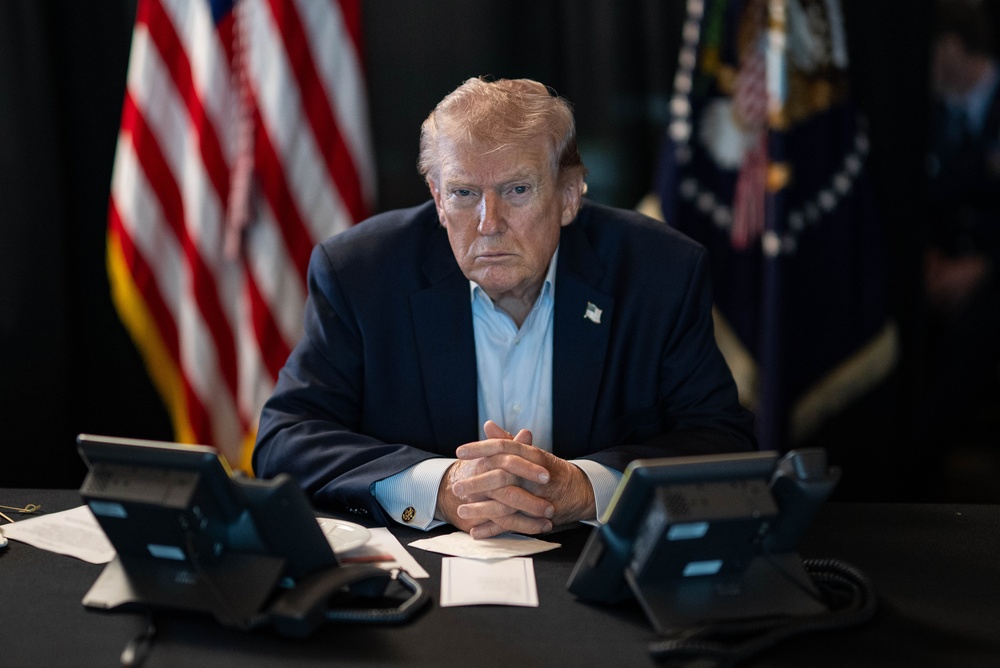
President Donald Trump said Monday that he had ordered a five-day delay in planned US strikes on Iran’s power plants and energy infrastructure after what he described as productive discussions with Iranian representatives. The announcement immediately shifted attention from military escalation to the possibility of a temporary diplomatic opening, even as Tehran publicly denied that any direct or indirect negotiations had taken place.
Trump framed the pause as a serious chance to reach a broader settlement, saying the United States was intent on making a deal and suggesting the conversations had produced major areas of agreement. He later told reporters that Jared Kushner and envoy Steve Witkoff had participated in talks with what he called a top Iranian figure and said further contact was expected, possibly by phone. The implication was that Washington now sees at least a narrow window in which diplomacy could interrupt a conflict that had been moving toward another major escalation.
Iran, however, rejected that account almost immediately. State media, citing a senior security official, said there had been no talks and no negotiation of any kind. The official also warned that what Tehran called psychological warfare would not restore the Strait of Hormuz to normal conditions or bring calm back to energy markets. That sharp contradiction leaves the market facing a familiar problem: political headlines are moving prices quickly, but the underlying reality remains unclear.
The five-day pause changes the immediate military timetable
Trump’s decision matters because it interrupts a deadline he had set only two days earlier. On Saturday, he had given Tehran 48 hours to reopen the Strait of Hormuz or face attacks on its power infrastructure. That ultimatum was due to expire Monday evening in Washington. By pushing back the strikes for five days, the White House has effectively replaced a short-term military trigger with a short-term diplomatic test.
The language Trump used suggests he is trying to preserve both options. If the pause leads to progress, he said the two sides could end up settling the matter. If it does not, he made clear that the bombing campaign could resume. That combination of delay and threat is consistent with his broader negotiating style, where pressure and possible de-escalation are presented at the same time.
There was also a clear geopolitical objective behind the move. Trump said the Strait of Hormuz could reopen soon if the process succeeds. Since roughly a fifth of global oil and gas typically passes through that corridor, any hint of restored shipping access immediately carries consequences for financial markets, inflation expectations and energy security well beyond the region itself.
Markets welcome the pause, but uncertainty remains high
Investors reacted quickly to the shift in tone. US stock futures rose, the dollar weakened against major currencies and oil prices fell as traders interpreted the pause as reducing the risk of an immediate new strike wave against Iranian energy assets. The response reflected just how heavily markets had been pricing in the possibility of deeper disruption to oil flows and a further intensification of the war.
That reaction makes sense. The conflict has already contributed to what energy officials describe as one of the biggest supply disruptions the oil market has faced, largely because shipping through Hormuz has slowed to a near standstill. Iran’s threats against ships in the area, combined with prior attacks on regional energy infrastructure, had pushed oil sharply higher and stirred broader inflation fears across global markets.
Yet the positive market response sits on a fragile foundation. A five-day pause is not a peace agreement, and the direct contradiction between Washington and Tehran means investors still do not know whether a real negotiating channel exists or whether both sides are trying to shape the narrative for strategic reasons. That leaves the current relief vulnerable to reversal if the next round of statements points back toward confrontation.
The bigger question is whether diplomacy is real or tactical
Trump’s comments also raised wider questions about what kind of deal he believes is possible. He said one point of agreement is that Iran will never obtain a nuclear weapon, and he even floated the idea that the future of the Strait of Hormuz could be tied to some form of joint arrangement involving Iranian leadership. He also described what is unfolding in Iran as a serious form of regime change, language that complicates the idea of a straightforward diplomatic settlement and suggests Washington may still be thinking in far more ambitious terms than a narrow de-escalation deal would normally imply.
For Tehran, that kind of rhetoric helps explain why the denial was so forceful. If Iran believes the United States is using public claims of talks to buy time, calm markets or justify future military moves, then acknowledging any channel could look politically dangerous at home. The contradiction may therefore reflect not just disagreement over facts, but different strategic needs on each side.
The result is a highly unstable moment. Trump has stepped back from an immediate strike deadline, markets have briefly embraced the possibility of diplomacy and Iran has denied the premise of the entire opening. Over the next five days, the crucial issue will not simply be whether talks continue, but whether there is enough substance behind them to prevent the conflict from snapping back toward a new energy and military shock.