

Largest scale buyout signals renewed utility appetite
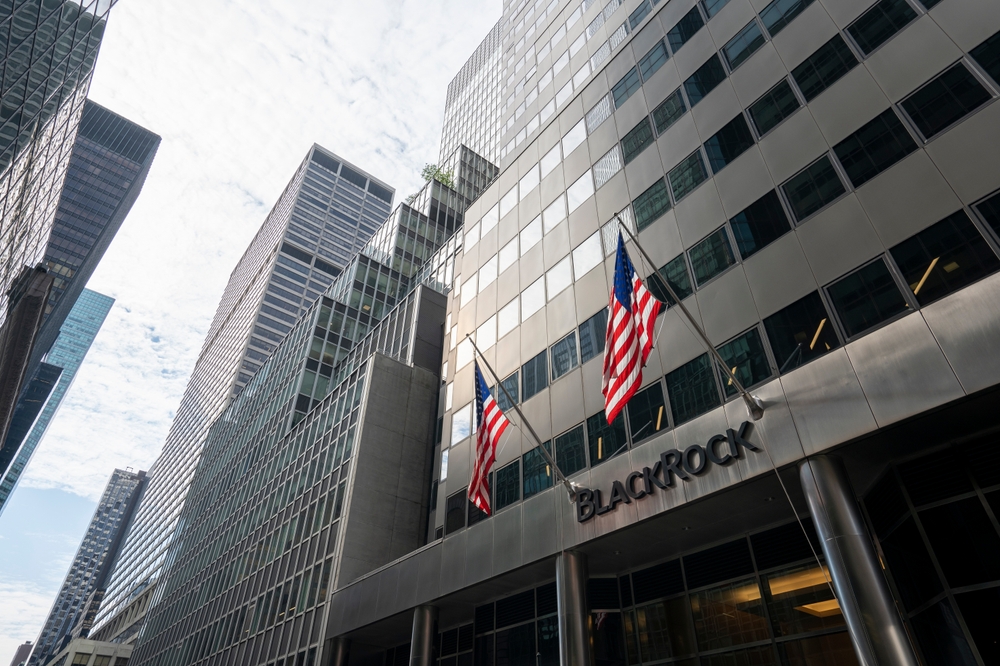
A buyer group led by Global Infrastructure Partners, the infrastructure unit owned by BlackRock, together with Swedish private equity firm EQT AB has agreed to acquire U.S. power company AES Corp in a transaction valued at $33.4 billion including debt. The agreement, announced on Monday, ranks among the biggest acquisitions in the sector and highlights how large pools of private capital are moving toward electricity assets as demand expectations reset.
The consortium will pay $15 per share in cash, AES said, implying a total equity value of $10.7 billion. The investor group also includes the California Public Employees’ Retirement System and the Qatar Investment Authority, adding long duration institutional capital to a deal that will likely require patience through a lengthy closing process.
AES expects the transaction to close in late 2026 or early 2027. The company said its utility units in Indiana and Ohio will remain locally operated and managed utilities, a detail aimed at reassuring customers and regulators as ownership shifts to a private consortium.
AI era load growth intensifies grid strain and deal flow
The AES agreement extends a run of large power transactions as investors seek dependable portfolios amid rising electricity needs. The same wave has included Blackstone agreeing to buy TXNM Energy for $11.5 billion and Constellation Energy announcing a $16.4 billion deal for Calpine. Together, the transactions point to a market where scale, access to generation, and capital capacity are being repriced.
At the center of the shift is the rapid expansion of data centers and related infrastructure supporting companies adopting the latest technology. The Energy Information Administration expects U.S. power consumption to keep rising this year and next after reaching a second consecutive record in 2025. That outlook has pushed utilities to accelerate plans for new generation and grid upgrades, and it has drawn financial sponsors toward assets that can deliver stable cash flows while absorbing large investment programs.
Investors are also weighing the constraints of public markets in a capital intensive environment. Building and modernizing power infrastructure often involves multi year spending cycles, and the pressure to maintain specific leverage targets can limit how aggressively a listed utility can fund new projects without diluting shareholders or reducing payouts.
Deal pricing, share reaction, and breakup protections
AES said the $15 cash offer represents a 13% discount to its last closing price on Friday. The company also described the bid as a 35.5% premium to the July 8 close, the last trading day before the first media report indicated a potential acquisition was being explored. The competing reference points underline how quickly expectations have shifted around the company and how the market is balancing the offer against deal timing and conditions.
In early trading after the announcement, AES shares dropped by more than 17% to their lowest level since January 26. The decline suggested investors were focused on the long timeline to completion and the possibility that regulatory review, financing considerations, or other conditions could reshape the path to closing.
The agreement includes reciprocal termination fees that allocate risk between the parties. Under specified terms, the consortium would pay $100 million or up to about $588 million, while AES would pay roughly $321 million. Such clauses are common in large acquisitions and can influence negotiating leverage if circumstances change during the approval period.
Balance sheet pressure and the rationale for going private
AES enters the deal with significant leverage. The company reported net debt of $27.56 billion as of December 31, a metric closely watched by credit markets and equity investors when utilities outline their spending plans. AES said that without a transaction it would have faced difficult trade offs, including the need to reduce or eliminate dividend payments or raise substantial new equity.
That dynamic was central to the strategic argument for the buyout. Evercore ISI analyst Nicholas Amicucci said consortium backing would improve AES access to capital for investment and would reduce the pressure to satisfy leverage metrics that investors often expect from a public company. Private ownership can allow management to prioritize infrastructure spending and longer payoff timelines while relying on sponsors and institutional partners to support the capital structure.
Global Infrastructure Partners has been expanding its footprint in utilities. AES pointed to GIP’s involvement in a $6.2 billion take private deal for Allete with CPP Investments in 2024. The AES transaction would deepen that approach by placing a larger U.S. power platform under private control at a moment when record demand, data center growth, and grid investment needs are reshaping the sector.