

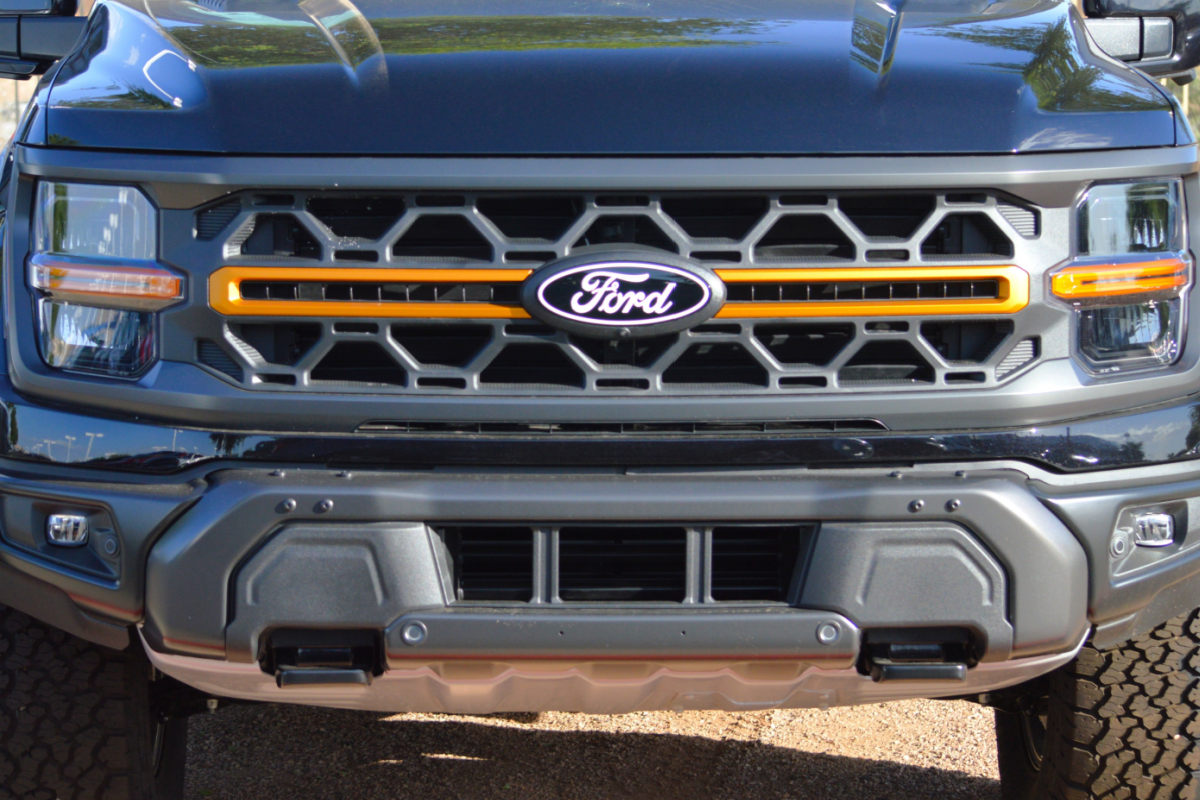
Ford Motor has partnered with Amazon to allow franchised dealers to sell certified preowned vehicles through Amazon’s online marketplace. The move expands Amazon Autos and gives Ford customers a streamlined digital buying experience, from securing financing to scheduling vehicle pickup. The initiative marks another significant step in the evolution of online car retailing.
A New Path for Certified Preowned Sales
Through the partnership, Amazon users can browse Ford’s certified preowned inventory, initiate paperwork and arrange pickup at participating dealerships. While final signatures must still be completed in person, the platform brings greater convenience to used vehicle purchases. Certified preowned cars differ from standard used vehicles because they undergo inspections, refurbishing and come with warranty protections similar to new models.
This launch follows Amazon’s earlier decision to let auto dealers list vehicles online, starting with Hyundai’s new models. In contrast, Ford’s integration focuses exclusively on certified preowned cars, expanding the range of options available to Amazon shoppers.
Dealer Participation and Expansion Plans
Ford reported that more than 160 of its 2,900 US dealers have begun integrating with Amazon, with about a dozen already live and additional dealerships joining next week. Early participating cities include Los Angeles, Seattle and Dallas, with nationwide expansion planned.
The program offers a 14-day or 1,000-mile money-back guarantee, along with three tiers of CPO certification, each providing different levels of warranty coverage. According to Amazon Autos leadership, the partnership gives customers access to thousands of high-quality Ford vehicles backed by established inspection standards.
Legal Landscape and Market Context
Despite the rise of digital retail, franchised dealers remain the official sellers in Ford and Hyundai’s Amazon programs due to state-level restrictions preventing direct sales of new vehicles by manufacturers. Used vehicle sales, however, are subject to fewer limitations, which has enabled companies such as Carvana and Hertz to sell preowned inventory online without dealer mediation.
Amazon’s expanding relationships across the auto sector reflect growing consumer demand for online purchasing options. For automakers, the platform offers a broader digital storefront while maintaining compliance with dealer franchise laws.
Conclusion
The Ford-Amazon partnership marks a significant shift in how certified preowned vehicles reach buyers. By combining Ford’s dealer network with Amazon’s online reach, the initiative aims to make used car shopping more accessible and transparent. As more retailers join the program and additional cities come online, the collaboration may set a new standard for digital automotive sales.