

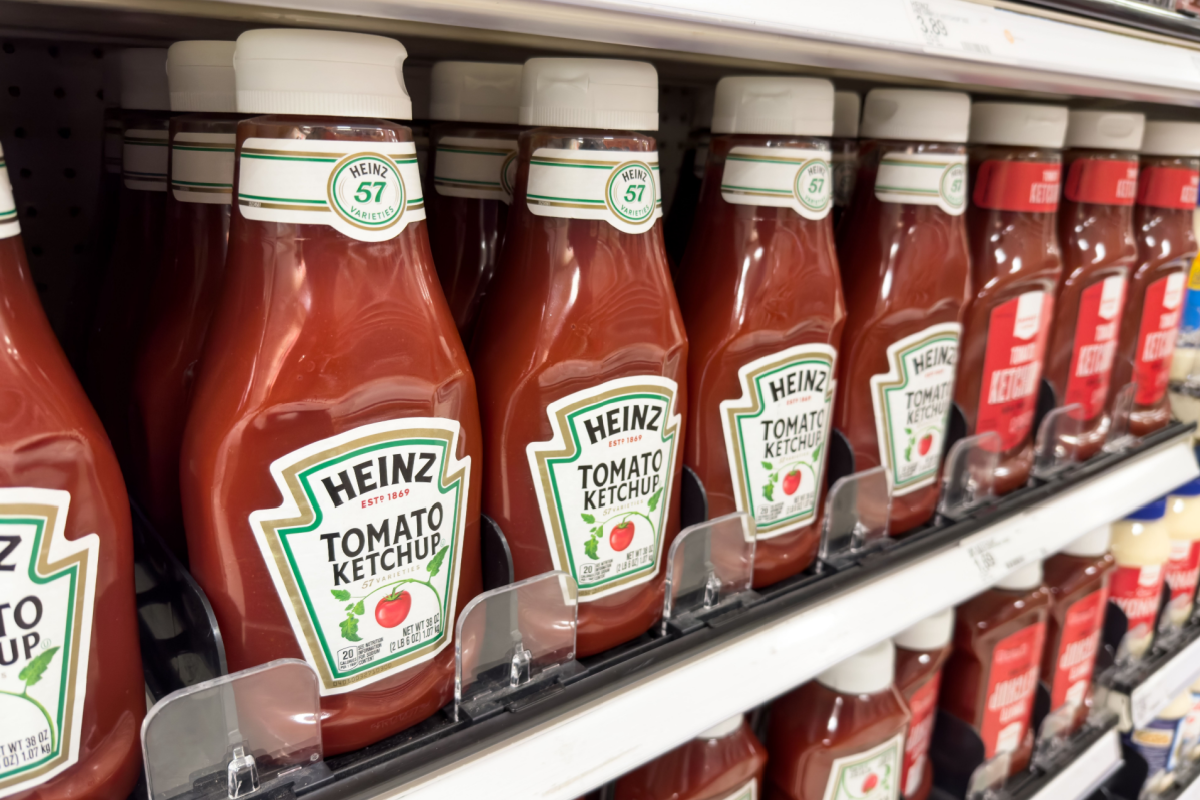
Kraft Heinz announced Wednesday that it is pausing its previously planned split into two separate companies, marking a strategic shift under new CEO Steve Cahillane. Rather than proceeding with the breakup unveiled last September, the company will redirect its focus toward stabilizing performance and restoring profitable growth. The decision comes as the food manufacturer reported weaker quarterly and annual results, reinforcing investor concerns about its long-term trajectory.
The pivot reflects a reassessment of the company’s operational strength and its ability to generate sustainable growth amid changing consumer preferences and competitive pressures.
Leadership Shift and Strategic Reversal
Steve Cahillane, who took over as chief executive on January 1, said the opportunity within the business is larger than initially expected and that many of its challenges are within management’s control. Cahillane previously oversaw the breakup of Kellogg Co. in 2023, making his appointment in December notable given Kraft Heinz’s earlier restructuring plans.
Under the original proposal, the company would have separated stronger-performing brands such as Heinz, Philadelphia cream cheese and Kraft Mac & Cheese from slower-growing brands including Maxwell House, Oscar Mayer, Kraft Singles and Lunchables. The transaction had been expected to close in the second half of this year.
Instead, management now intends to concentrate resources on operational improvements and brand investment.
$600 Million Investment Plan
Kraft Heinz said it will invest $600 million in marketing, sales initiatives and product development to accelerate its return to profitable growth. The investment is designed to strengthen brand positioning, enhance innovation and improve competitiveness in key markets.
Company shares traded flat following the announcement. Some analysts have suggested that investors may interpret the pause as a signal that the company’s individual business units are not yet strong enough to operate independently.
Financial Performance and Ongoing Challenges
In the fourth quarter, net sales declined 3% to $6.35 billion, slightly below Wall Street expectations. North American sales fell 5%, though international markets showed gains. Net income dropped sharply by 69.5% to $651 million. Adjusted earnings per share of 67 cents exceeded analyst forecasts.
The company has struggled in recent years as consumer tastes shift toward less processed foods and lower-priced private-label alternatives. Revenue has declined annually since 2020, when pandemic-driven demand temporarily boosted sales. Earlier this year, Kraft Heinz lowered its full-year outlook, citing weaker U.S. spending and tariff impacts.
Berkshire Hathaway’s Position
The roots of the company’s formation trace back to 2013, when Warren Buffett partnered with 3G Capital to acquire H.J. Heinz Co. in a record-setting food industry deal. However, over time Buffett acknowledged that the company’s brand advantages were not as durable as anticipated.
Berkshire Hathaway later recorded a multibillion-dollar write-down on its investment. Two Berkshire representatives stepped down from Kraft Heinz’s board last year, and recent filings indicate Berkshire may consider selling its 325 million-share stake. Greg Abel, Buffett’s successor, has signaled potential openness to reducing or exiting the position.
Conclusion
Kraft Heinz’s decision to halt its breakup and invest heavily in brand revitalization signals a renewed focus on internal restructuring rather than corporate separation. While management expresses confidence in the path forward, financial pressures and shareholder uncertainty remain. The company’s ability to translate new investments into measurable growth will be critical in determining whether this strategic pivot restores momentum.