

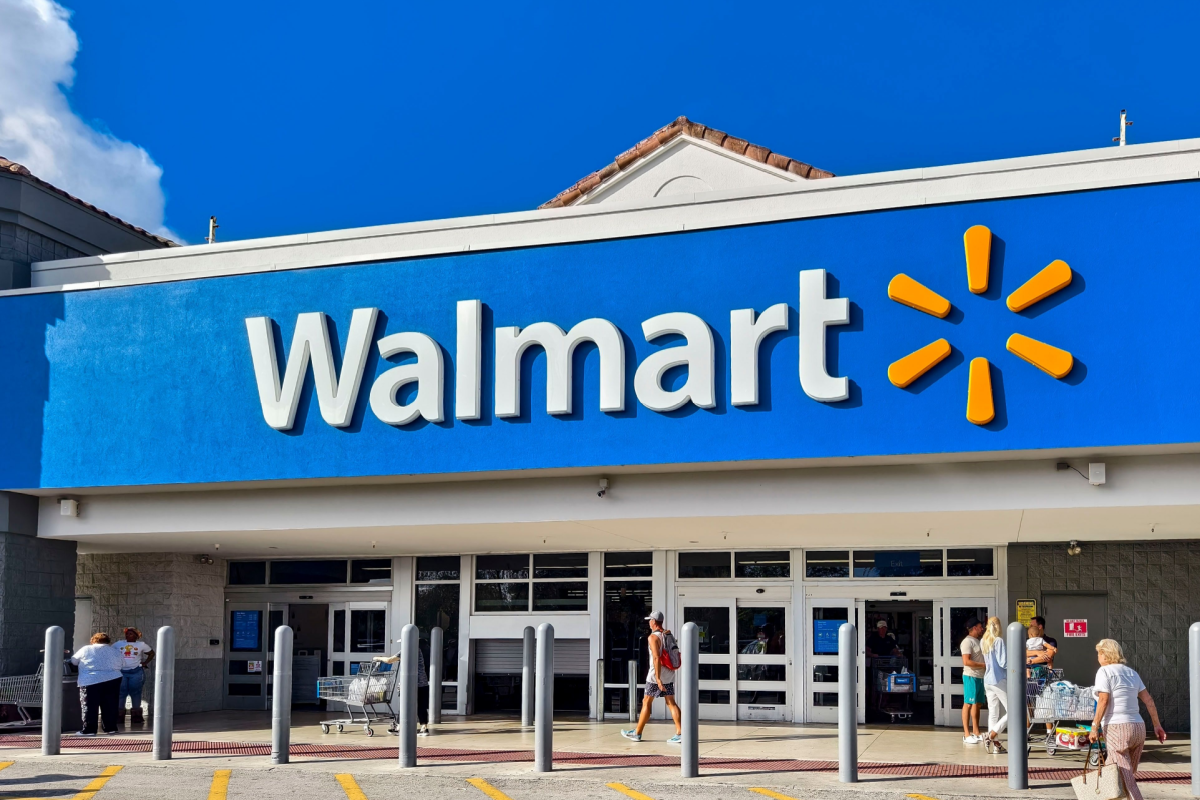
Walmart delivered another strong quarterly performance, raising its full-year earnings and sales outlook as it heads into the peak holiday shopping period. The retailer continues to attract a broad customer base, including higher-income households, while expanding its e-commerce capabilities. Despite pressure on lower-income shoppers, the company’s latest results show resilient consumer demand for essential goods and steady growth across key categories.
Sales Growth Driven by Necessities
Walmart said U.S. same-store sales increased 4.5% for the quarter ending Oct. 31, surpassing analyst expectations. Grocery and health-and-wellness items remained the strongest performers as households continued prioritizing essential goods over discretionary purchases. Chief Financial Officer John David Rainey noted that stretched budgets are pushing more consumer spending toward necessities.
Higher-income consumers are also playing a greater role in Walmart’s growth. The company reported increased market share among these shoppers, who have become more price-conscious amid inflation, tariffs and economic uncertainty.
E-Commerce Momentum and Nasdaq Move
Walmart’s digital investments continue to pay off, with global e-commerce sales rising 27% during the quarter. Outgoing CEO Doug McMillon highlighted improvements in delivery speed, inventory management and overall digital performance. The retailer will shift its stock listing from the NYSE to Nasdaq next month, reinforcing its position as a technology-forward competitor to Amazon.
The company’s stock gained about 6% on Thursday, extending an upward trend that has delivered roughly 17% growth so far this year.
Leadership Changes and Competitive Landscape
Doug McMillon, who has led Walmart since 2014, will step down in January. John Furner, currently the head of Walmart U.S., will become CEO on Feb. 1. Under McMillon’s leadership, Walmart boosted wages, renovated stores and rapidly expanded its e-commerce operations. Furner now inherits a company that is outperforming major rivals.
Target, in contrast, reported declining sales and lowered profit expectations. Store conditions, reduced DEI initiatives and corporate layoffs have weighed on its performance. With Target planning to increase its investment in stores and technology next year, both retailers will enter 2026 with significant strategic shifts.
Tariffs, Prices and Inflation Pressures
Ongoing tariff fluctuations have forced Walmart to raise prices in select categories, including electronics, toys and seasonal items. Grocery price trends remain mixed. The company expects egg prices to fall, while record-high beef prices are likely to persist due to long-term declines in cattle herds. Broader grocery inflation has eased compared with 2022 and 2023, but households continue to feel cost pressures.
The White House’s recent rollback of tariffs on many food items may provide limited relief. Despite continued inflation, Walmart is offering a Thanksgiving meal package for under $4 per person, though with fewer items than last year.
Retail Innovations and AI Integration
Walmart is expanding its use of artificial intelligence, partnering with OpenAI to allow customers to shop through ChatGPT. While details and launch timelines remain undisclosed, the move is part of Walmart’s broader push to close the innovation gap with Amazon. Target has also announced its own AI collaboration, underscoring the competitive focus on personalized digital shopping.
Conclusion
Walmart’s latest results reinforce its position as the dominant U.S. retailer, supported by steady consumer demand, strong e-commerce performance and strategic investments in technology. As economic uncertainty persists and tariffs continue shaping prices, the company remains a key indicator of how Americans are navigating inflation and shifting spending patterns.