

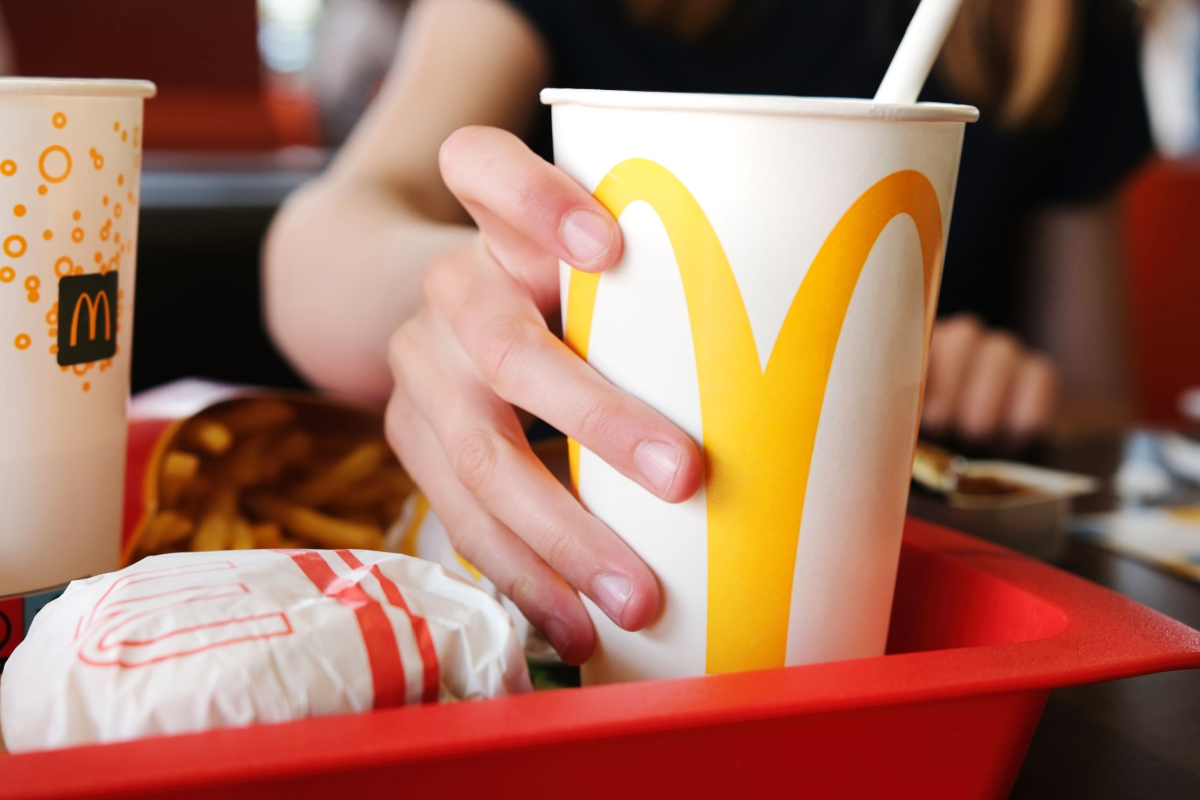
Fast food chains across the U.S. are experiencing a significant shift in consumer behavior as lower-income Americans reduce their visits due to mounting financial pressure. Despite public praise from President Donald Trump for McDonald’s recent emphasis on affordability, the company’s leadership reports that foot traffic among its most price-sensitive customers has fallen by nearly double digits. Rising living costs, persistent inflation, and widening financial divides are reshaping spending patterns across the industry.
Rising Costs Strain Lower-Income Households
McDonald’s CEO Chris Kempczinski told analysts that economic pressures continue to weigh heavily on lower-income consumers. He noted that high rents, elevated food prices in both restaurants and grocery stores, and costly childcare are forcing many families to pull back on discretionary spending. These financial strains are visible across the fast food sector, where chains traditionally known for low prices are seeing reduced activity from customers who once relied on them as affordable meal options.
Other major companies are observing similar shifts. Kroger reported in September that low and middle-income households are searching for more deals, using more coupons, making smaller but more frequent trips, and choosing private-label goods to save money. Chipotle echoed this trend in October, noting a decline in visits from its lower- and middle-income guests.
Trump Highlights Affordability Efforts
At McDonald’s recent leadership summit, President Donald Trump positioned himself as an advocate for cost-conscious consumers. He emphasized actions his administration has taken to reduce taxes, loosen regulations, and promote economic growth. Trump also signed an executive order on November fourteenth eliminating tariffs on beef, coffee, tomatoes, and oranges, arguing it will help bring down food costs. Analysts, however, point out that many of the tariffs removed were the same policies contributing to higher inflation.
Trump’s remarks connect to broader concerns surrounding the so-called “K-shaped economy,” where higher-income Americans continue to spend freely while lower-income households struggle. The president’s comments sought to frame affordability as a central policy goal amid rising public frustration over the cost of living.
A Growing Divide in Consumer Spending
Even as lower-income visits decline, McDonald’s is seeing nearly double-digit increases in visits from more affluent customers. These households are not only maintaining their spending but expanding it. Luxury sectors reflect the same momentum: LVMH recently reported a strong quarter that pushed its stock higher by twelve percent.
The stock market’s strength is a major factor behind this divide. Eighty-seven percent of households earning over one hundred thousand dollars own stocks, compared with just twenty-eight percent of households earning less than fifty thousand. This imbalance contributes directly to differences in spending power.
The same pattern is visible in consumer goods firms. Procter & Gamble reports that higher-income shoppers are opting for larger sizes that offer better long-term value, while lower-income families continue to choose smaller packages they can afford at the moment. According to CFO Andre Schulten, these households “continue to live paycheck to paycheck.”
What It Means for Fast Food and Retail
The divergence in consumer spending presents a growing challenge for companies dependent on broad customer bases. For McDonald’s and other fast food chains, balancing value offerings with rising operational costs will remain a central issue. Meanwhile, the retreat of lower-income consumers underscores an economic reality that affordability efforts alone cannot solve.