

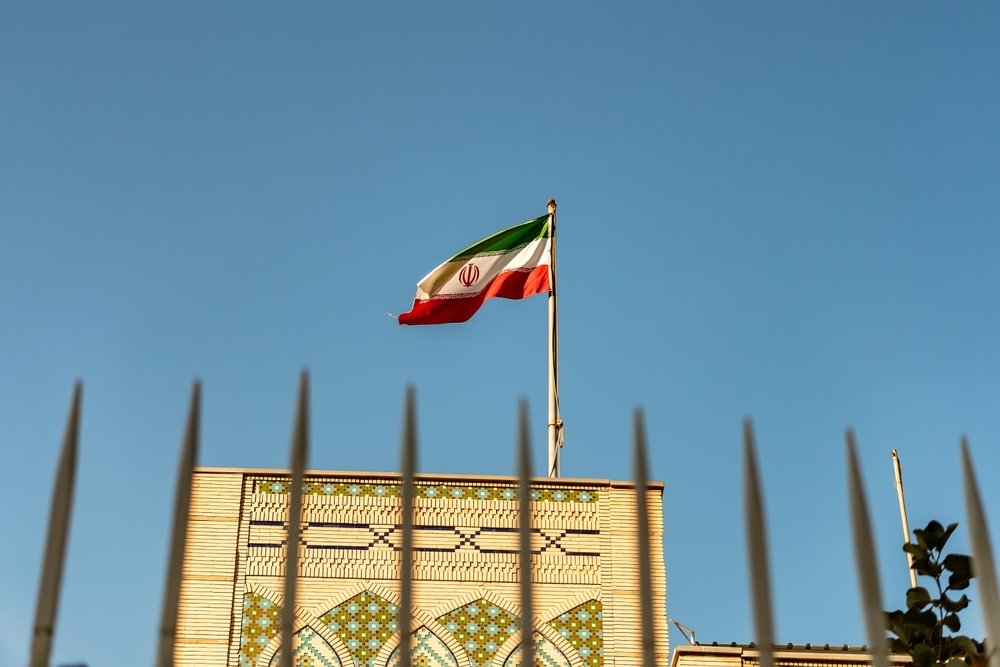
Geneva diplomacy ahead of second round
Iran’s Foreign Minister Abbas Araghchi met Monday in Geneva with Rafael Grossi, director-general of the International Atomic Energy Agency, in a move seen as a prelude to renewed negotiations with the United States over Tehran’s nuclear program.
The encounter comes one day before a second round of indirect US-Iran talks hosted by Oman. Araghchi also confirmed he would meet Omani Foreign Minister Badr al-Busaidi, whose government is facilitating the discussions. Writing on social media, the Iranian diplomat said he had arrived with “real ideas” for what he described as a fair agreement, while rejecting any outcome based on pressure.
Naval drills amid US military buildup
Diplomatic efforts unfolded against a backdrop of heightened military activity. Iranian state media reported that the Revolutionary Guard began naval exercises early Monday in the Strait of Hormuz, the Persian Gulf and the Gulf of Oman — waterways critical to global energy flows, with roughly one-fifth of the world’s oil transiting the area.
Private maritime security analysts indicated that vessels in the region received radio advisories about possible live-fire activity in Iranian territorial waters. Similar warnings were issued during exercises earlier this year, prompting sharp messages from US Central Command cautioning against interference with commercial shipping or American naval assets.
Tensions have risen in recent weeks. Earlier this month, a US Navy aircraft shot down an Iranian drone near the USS Abraham Lincoln, and American officials accused Iran of harassing a US-flagged commercial vessel.
Sanctions relief central to compromise
The Trump administration has maintained that any agreement must prevent Iran from developing nuclear weapons and include a ban on uranium enrichment. Tehran rejects that red line but has signaled conditional flexibility if sanctions are eased.
Deputy Foreign Minister Majid Takht-Ravanchi told the BBC that Tehran would consider compromises provided Washington demonstrates seriousness and addresses sanctions. “The ball is in America’s court,” he said, framing the talks as a test of US intent.
Previous indirect negotiations faltered last year after a brief but intense conflict between Israel and Iran that involved US strikes on nuclear-related sites. Since then, cooperation between Iran and the IAEA has been limited. The agency has said it cannot fully verify the status of Iran’s uranium stockpile enriched up to 60% purity, close to weapons-grade.
Regional and global implications
President Donald Trump has ordered additional military assets to the Middle East, including the aircraft carrier USS Gerald R. Ford, while expressing preference for a negotiated outcome. At the same time, US officials have reiterated that Iran must not retain enrichment capabilities under any accord.
Israeli Prime Minister Benjamin Netanyahu has urged Washington to ensure that any deal also addresses Iran’s ballistic missile program and its support for regional armed groups.
With diplomatic channels reopening and military deployments continuing, the coming days in Geneva are likely to shape whether the standoff moves toward de-escalation or renewed confrontation.