

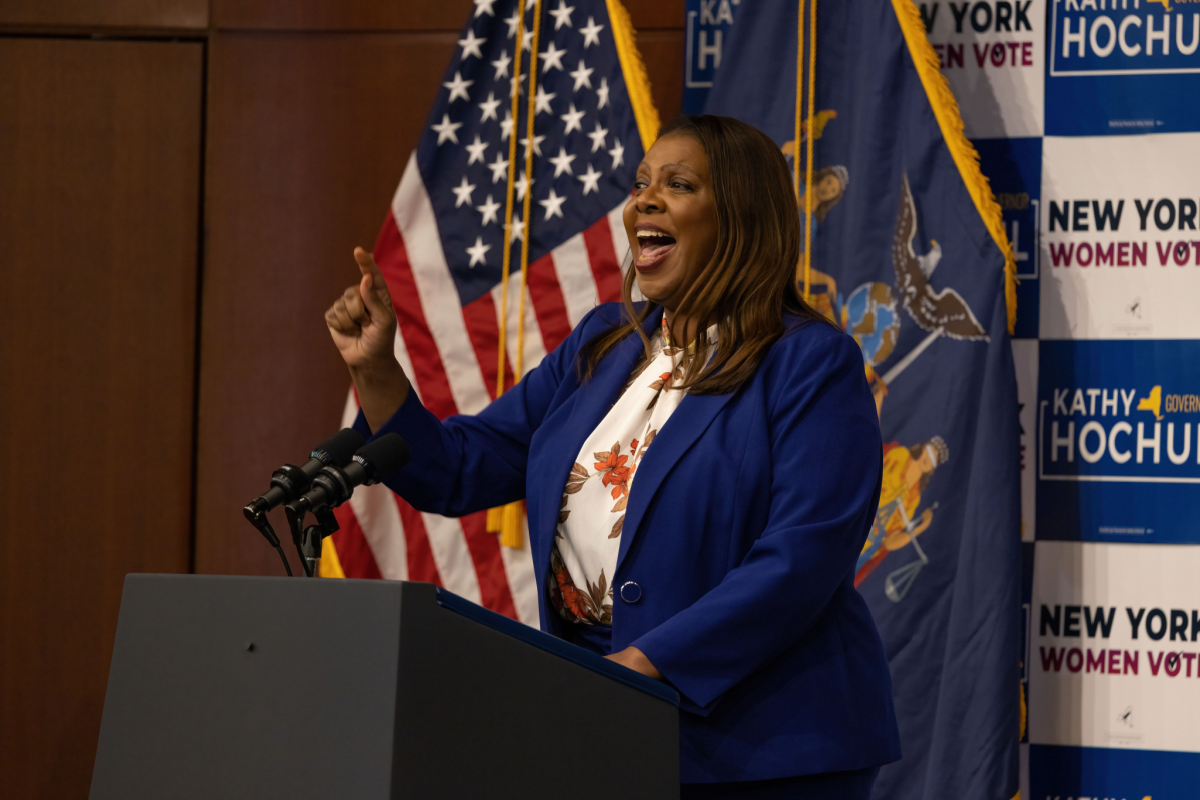
Grand jury declines new case after prior charges voided
The Justice Department was unable to secure a new indictment against New York Attorney General Letitia James on Thursday, according to a person familiar with the proceedings. The move comes less than two weeks after the original criminal case against her was dismissed, marking a high profile setback in a politically sensitive legal fight.
James, who has faced sustained criticism from former President Donald Trump after successfully pursuing a civil fraud case against him, had previously been indicted on one count of bank fraud and another of making false statements to a financial institution. She has consistently denied any wrongdoing since the allegations were first brought forward.
In a statement responding to reports of the failed indictment, James reiterated that the case lacked merit and described the accusations as baseless. She called for an end to what she characterized as the weaponization of the justice system. James also thanked grand jurors and supporters, stressing that she intends to continue carrying out her responsibilities as attorney general.
Appointment dispute derailed first indictment
The handling of the initial case has drawn intense scrutiny because of the unusual circumstances surrounding it. Lindsey Halligan, the acting U.S. attorney for the Eastern District of Virginia and a former personal lawyer for Trump, personally presented the original case to the grand jury. Halligan, who had no prior prosecutorial experience, was appointed to her role shortly before the indictment, raising questions about the validity of the process.
On November 24, U.S. District Judge Cameron Currie ruled that Halligan’s appointment was unlawful and voided the indictment against James. While the Justice Department first signaled it would appeal the decision, officials later chose a different path and pursued a fresh indictment instead, presented in Norfolk, Virginia, by different prosecutors.
Thursday’s outcome does not bar prosecutors from attempting to bring charges again. A source familiar with internal discussions cautioned that there should be no premature celebrations, indicating that the case could be revisited depending on how the department proceeds. The Justice Department has declined public comment, citing rules that protect the secrecy of grand jury proceedings.
Broader political and legal implications
The controversy extends beyond James. Prosecutors are also considering whether to again pursue charges against former FBI Director James Comey, who had been indicted in October on allegations of making false statements to Congress and obstructing a congressional investigation. That case was dismissed on the same day as the James indictment, under the same ruling concerning Halligan’s appointment.
Halligan’s elevation to acting U.S. attorney has become a political flashpoint. Her appointment on September 20 came one day after Trump removed his initial nominee for the post, Erik Siebert, who had reportedly resisted pressure to prosecute Comey and James. The move followed a social media message in which Trump urged Attorney General Pam Bondi to push forward with prosecutions of Comey, James and Democratic Senator Adam Schiff, arguing that further delay would damage the administration’s credibility.
The long term consequences of the failed reindictment remain uncertain. The Justice Department still has the option of presenting the matter to another grand jury, but repeated attempts could deepen concerns over political influence and procedural fairness. For now, James remains in office and continues to frame the case as an example of partisan misuse of federal power, while her legal and political adversaries weigh their next steps.