

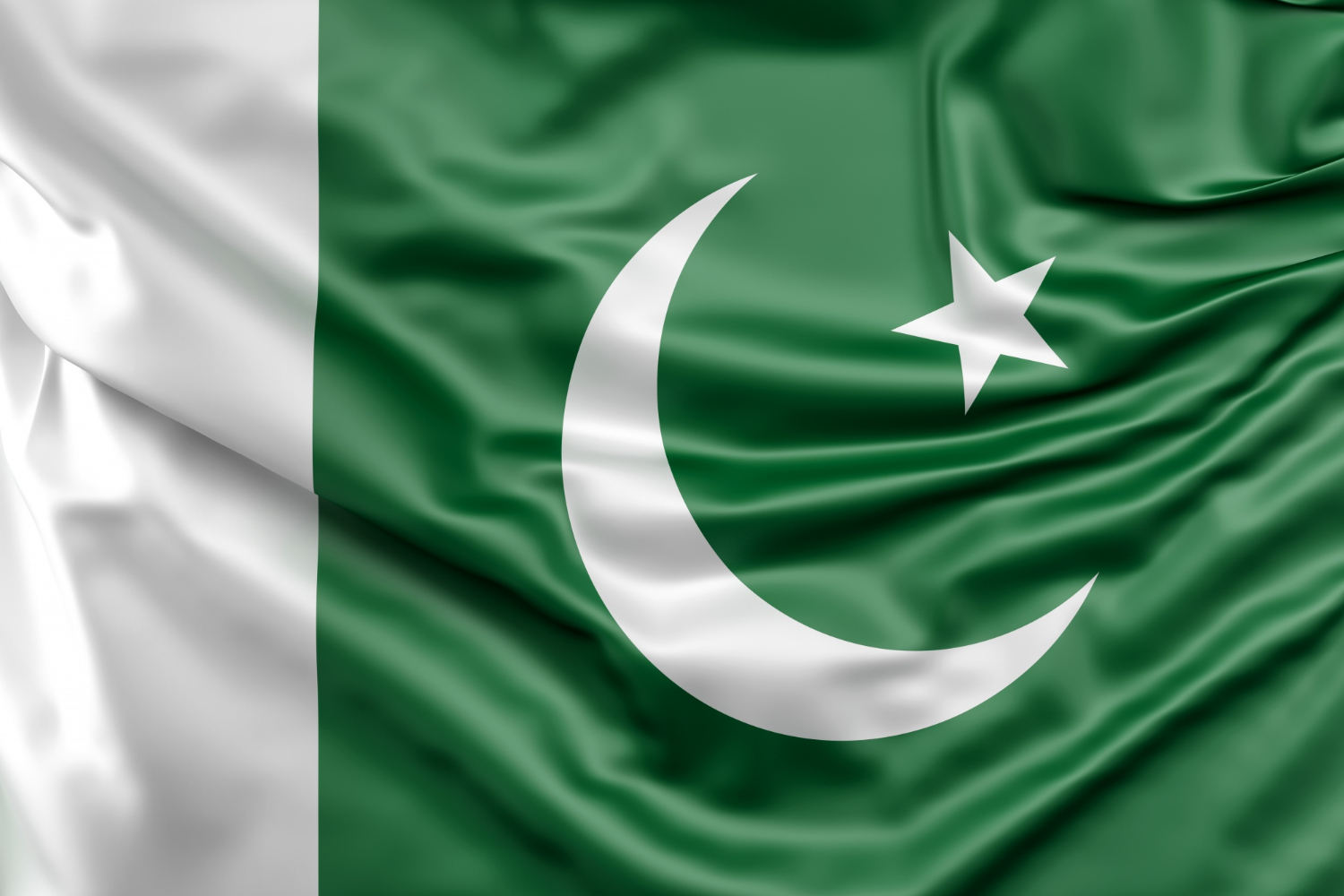
Cross-Border Strikes Trigger Open Conflict Claims
Pakistan and Afghanistan traded air and ground attacks overnight in one of the most serious escalations between the two neighbors in years. Pakistan’s defense minister described the situation as an “open war” on Friday following retaliatory strikes by both sides.
Afghan authorities said their forces launched attacks late Thursday against Pakistani military targets in response to earlier Pakistani airstrikes carried out Sunday along border areas. Hours later, Pakistan struck sites in Kabul and two other Afghan provinces, stating that its operations targeted military installations.
Tensions have been simmering for months. Clashes in October resulted in dozens of deaths among soldiers, civilians and suspected militants. Islamabad accuses Afghanistan’s Taliban-led government of sheltering armed groups that conduct attacks inside Pakistan, as well as deepening ties with India.
Conflicting Casualty Reports
Casualty claims from both governments diverged sharply. Pakistan’s military spokesperson, Lt. Gen. Ahmed Sharif Chaudhry, said joint air and ground operations killed at least 274 Afghan forces and affiliated militants, with more than 400 wounded. He reported that 12 Pakistani soldiers were killed and 27 injured.
Afghan spokesperson Zabiullah Mujahid dismissed those figures as inaccurate. He stated that 55 Pakistani soldiers were killed, 23 bodies were transported into Afghanistan and several were captured. According to Kabul, 13 Afghan soldiers were killed and 22 wounded, along with 13 civilians.
Later Friday, Afghan officials reported that 19 civilians were killed and 26 injured during Pakistani strikes in Khost and Paktika, alleging that residential areas were targeted. These claims could not be independently verified.
Regional Mediation Efforts Intensify
Diplomatic channels quickly activated as the fighting intensified. Qatar’s minister of state, Mohammed bin Abdulaziz al-Khulaifi, spoke with both countries’ foreign ministers in a renewed effort to de-escalate. Turkey’s Foreign Minister Hakan Fidan also conducted separate calls with regional counterparts.
The United Nations Secretary-General António Guterres urged restraint and the protection of civilians. Russia signaled readiness to mediate if requested, while Iran called for dialogue during the holy month of Ramadan.
Longstanding Security Accusations
Islamabad has repeatedly accused Afghanistan of supporting the Tehrik-i-Taliban Pakistan (TTP) and Baloch separatist groups. Kabul denies harboring militants, stating Pakistan’s security issues are domestic in nature.
Pakistani Information Minister Attaullah Tarar said anti-drone systems intercepted small drones over northwestern cities, alleging links between militant activity and Afghan authorities.
Meanwhile, refugee movements continue along the border. The U.N. refugee agency has said that 2.9 million people returned to Afghanistan in 2025, with tens of thousands crossing so far this year.
The situation remains fluid as both governments issue strong rhetoric alongside diplomatic overtures aimed at containing a broader regional crisis.