

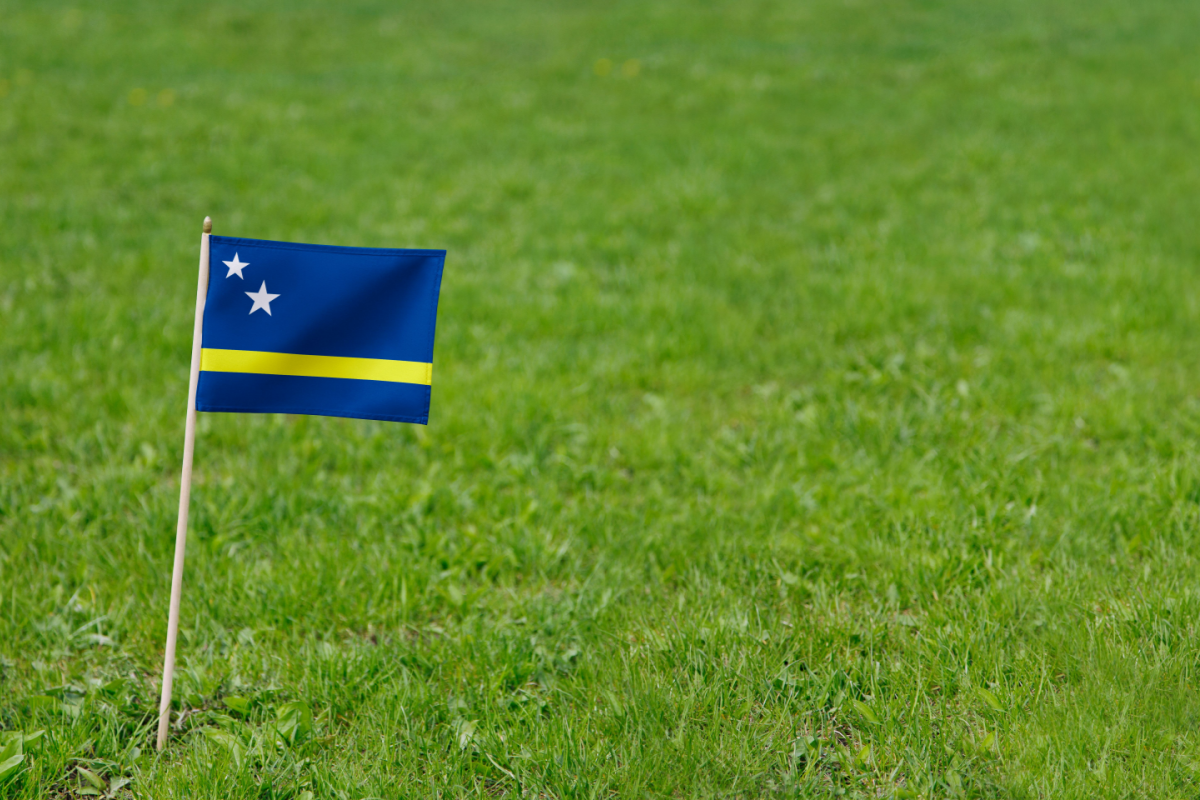
Curaçao has achieved one of the most remarkable milestones in international football, qualifying for the 2026 World Cup and becoming the smallest nation ever to reach the finals. The Caribbean island secured its place after a decisive 0-0 draw against Jamaica, marking the culmination of a transformative campaign under veteran coach Dick Advocaat. With a population of just 156,000, the achievement has stunned the football world and inspired supporters across the island and its diaspora.
A Record-Breaking Qualification
Curaçao’s qualification resets the benchmark for the smallest nation by both land area and population to reach the World Cup, surpassing previous records held by Iceland and joining fellow debutants Cape Verde. The feat is even more remarkable considering the nation’s history, having only played under the name Curaçao since 2011 following the dissolution of the Netherlands Antilles.
The team dominated the opening group stage, winning every match against St Lucia, Aruba, Barbados and Haiti. In the final qualification round, Curaçao outperformed Jamaica, Trinidad and Tobago and Bermuda to finish at the top of Group B. A late VAR reversal of a Jamaica penalty sealed the island’s place on football’s biggest stage.
Dick Advocaat’s Transformational Leadership
Advocaat’s appointment almost faltered due to financial issues within the federation, delaying his start until 2024. Once in place, he brought decades of international experience, instilled new professionalism and set a clear mentality focused on discipline and resilience. His assistant Cor Pot joined him, alongside Dean Gorré, whose continued presence ensured essential local insight.
Although Advocaat missed the decisive match due to a personal matter, his influence shaped the squad’s tactical maturity and unity. At 78, he is poised to become one of the oldest coaches in World Cup history if he leads the team in North America.
Harnessing the Diaspora
A key element of Curaçao’s rise has been the strategic integration of diaspora talent. Many players were born in the Netherlands and developed in Dutch academies, including PSV, Ajax and Manchester United. Tahith Chong, the only squad member born on the island, plays for Sheffield United, while others compete in the English Football League and across Europe.
Players such as Kenji Gorré, who scored in the crucial win over Jamaica, highlight the strong ties between the island and its global community. The squad’s blend of Caribbean heritage and European training has created a uniquely competitive team with depth and international experience.
A Nation Celebrates
Scenes of jubilation erupted across Curaçao, particularly in the capital Willemstad, where supporters gathered to watch history unfold. The emotional impact has been profound, especially for families with multigenerational ties to the island. For players like Gorré, qualifying alongside his father on the coaching staff adds special meaning to the achievement.
The team now turns its attention to the World Cup draw, where they could face global giants including England, Brazil or the Netherlands. Regardless of the outcome, Curaçao’s qualification represents a landmark moment not just for the island but for small footballing nations worldwide.
Conclusion
Curaçao’s remarkable journey to the 2026 World Cup reflects strategic leadership, diaspora unity and extraordinary belief. What once seemed impossible for an island of just over 150,000 people has become reality, setting a new standard for emerging football nations. As the team prepares for the global spotlight, their story stands as a testament to resilience, ambition and national pride.