

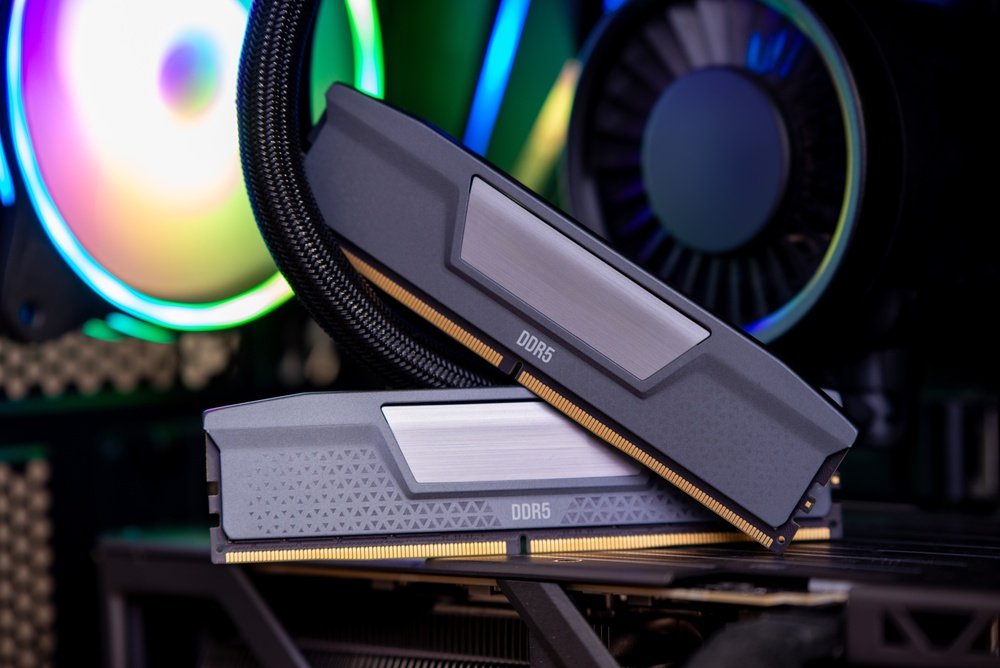
Memory crunch fuels price concerns
Gamers hoping for cheaper hardware or quick next-generation launches may be disappointed. Surging demand for memory chips used in artificial intelligence data centers is tightening supply of DRAM and NAND storage, pushing up costs for console makers and potentially delaying future devices.
AI infrastructure expansion has absorbed vast quantities of RAM and solid-state storage, making it harder even for major technology companies to secure components at stable prices. According to Bloomberg, Nintendo is weighing a potential price increase for its $450 Switch 2, citing people familiar with the matter. The device already launched at a significantly higher price than the original Switch, which debuted at $299.
Investors have grown increasingly cautious about rising memory costs, concerned about margins on Nintendo’s hardware. While Switch 2 sales reportedly remained solid through late 2025, the company’s stock has experienced volatility. Nintendo previously raised prices on the original Switch and Switch OLED models amid tariff pressures, though it kept the Switch 2 base price unchanged while increasing the cost of accessories.
Valve grapples with shortages
Valve is also navigating the supply squeeze. The company delayed its upcoming Steam Machine, describing the need to reassess timing and pricing amid memory constraints. Meanwhile, the Steam Deck OLED has faced intermittent stock shortages in several regions.
Valve noted that limited memory and storage availability has disrupted supply. The Steam Deck LCD 256GB model has been discontinued, with no further production planned once existing inventory sells out.
Earlier expectations suggested that a new Valve console-PC hybrid could approach the cost of a similarly specced personal computer, potentially near $800, unless heavily subsidized. With component prices climbing, such pricing pressure may intensify.
Next-gen delays possible
Memory constraints and high chip costs could also affect future console cycles. Bloomberg has reported that Sony may delay the launch of a potential PlayStation 6 until 2028 or 2029, although the company has not confirmed such plans.
Current-generation consoles still have technical headroom. The PlayStation 5 and Xbox Series X/S, launched in 2020, continue to benefit from software optimizations. Nintendo’s Switch 2, despite modest hardware specifications, leverages Nvidia’s DLSS upscaling to enhance graphical output without significantly increasing power consumption.
Reports have also suggested Sony could expand its PlayStation Spectral Super Resolution technology to boost performance further, particularly on higher-end models such as the PS5 Pro.
Holding pattern for players
For now, many players may opt to stick with existing hardware. Manufacturers are introducing accessories and ecosystem enhancements, including new monitors, peripherals, and streaming-focused devices, extending the lifespan of current consoles.
Until memory markets stabilize and supply pressures ease, pricing and timelines for gaming hardware are likely to remain uncertain. The intersection of AI infrastructure demand and consumer technology manufacturing has created ripple effects that may shape the gaming industry’s next chapter.