

Galaxy Z Trifold Showcased Ahead of APEC CEO Summit in Gyeongju
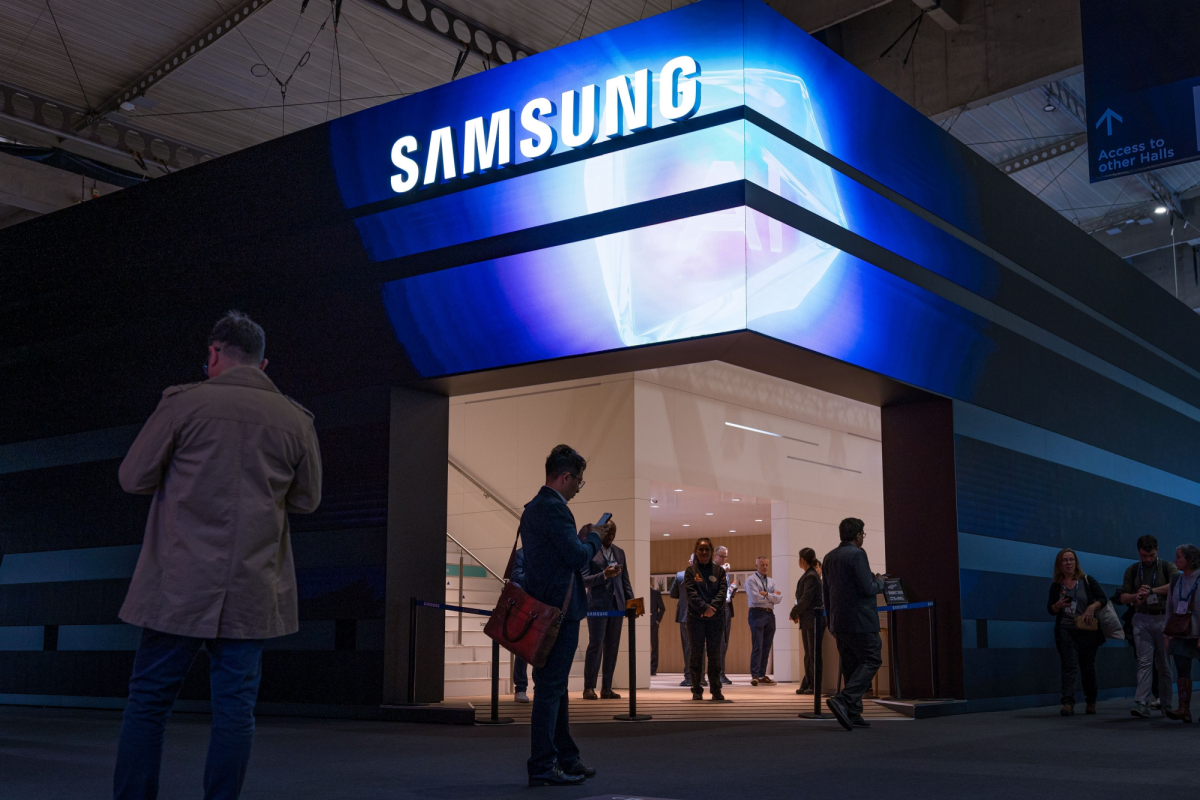
On the eve of the APEC CEO Summit in South Korea’s historic city of Gyeongju, the spotlight shifted from diplomacy to technology. At the K-Tech Showcase—a side exhibition 11 kilometers from the main APEC venue—Korea’s largest corporations, including Samsung Electronics, Hyundai Motor, SK Group, and LG Electronics, unveiled their latest innovations to global media and business leaders.
The star of the event was Samsung’s long-rumored tri-folding smartphone, presented in full-scale form for the first time. The new device, expected to be called the Galaxy Z Trifold, represents Samsung’s most ambitious leap in foldable technology to date—transforming from a standard bar-style phone into a 10-inch tablet-like screen with two folds.
Dual In-Folding Design and Refined Engineering
Though displayed behind protective glass, attendees could clearly see the phone’s sophisticated dual in-folding mechanism, which allows it to fold inward from both sides. When unfolded, the device appeared about 4.2 mm thick—comparable to the Galaxy Z Fold7—and roughly 1.2 to 1.5 cm thick when folded shut.
Visitors reported that the display’s notorious crease lines, a common issue with foldable screens, were “barely noticeable.” Industry sources added that each of the three panels houses an independent battery module, effectively extending overall battery life. The unfolded screen is estimated at around 10 inches, providing near-tablet functionality in a portable form.
Samsung Takes Aim at Huawei’s Mate XT
The unveiling directly challenges Huawei’s Mate XT, the world’s first tri-fold smartphone launched last year. Huawei’s device struggled with durability and screen issues, giving Samsung an opportunity to seize the premium foldable segment through improved engineering and design refinement.
Samsung has spent the past year perfecting its foldable lineup, beginning with the Galaxy Z Fold7 in July. Analysts predict that mass production of the Galaxy Z Trifold could begin as early as next month, reinforcing Samsung’s dominance in the rapidly expanding foldable market. Initial production is expected to be limited to 50,000–100,000 units to gauge demand before a wider rollout.
Strategic Launch Amid Global Attention
Revealing the device during the APEC week was a deliberate move, analysts said, designed to highlight Korea’s technological leadership as global CEOs and policymakers gathered in Gyeongju. “Samsung is using this launch to reaffirm its dominance in advanced display technologies and show that Korean innovation still leads the global foldable race,” one Seoul-based analyst noted.
The tri-fold is expected to debut first in Korea and China at a price of approximately 4 million won ($2,783)—almost double that of the Galaxy Z Fold7. The high price reflects the device’s multi-panel OLED structure and intricate hinge design.
Engineering Showcase Over Sales Push
While the launch is not expected to generate major immediate revenue, it reinforces Samsung’s status as a technological trailblazer in the competitive smartphone landscape. The company aims to strengthen its brand perception in foldables and signal that innovation remains central to Korea’s industrial strategy.
With the Galaxy Z Trifold, Samsung is positioning itself at the forefront of the next wave of mobile transformation—one that blurs the line between smartphone and tablet while reaffirming its dominance in the global tech ecosystem.