

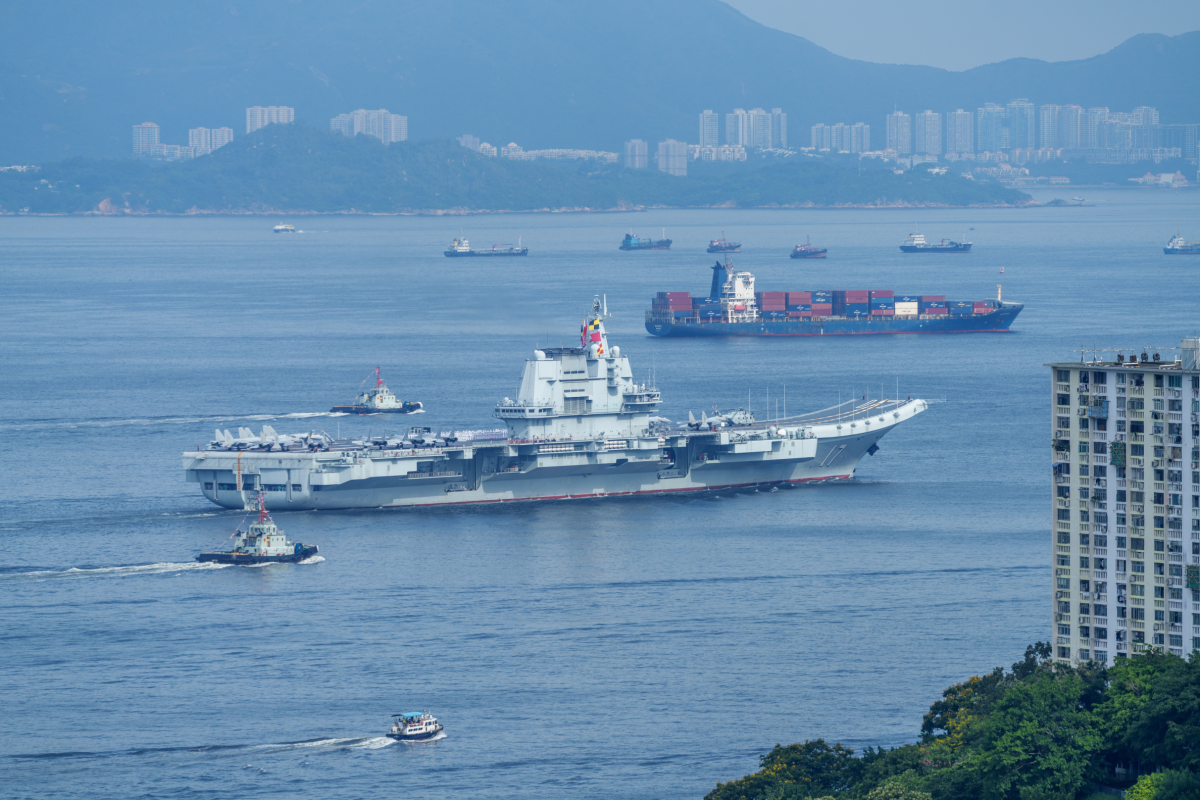
China has launched large scale military drills around Taiwan, simulating the seizure and blockade of key areas of the island. The exercises, which include live fire components, come amid rising cross strait tensions and are widely seen as a warning to what Beijing calls separatist forces, as well as a response to recent US arms sales to Taiwan.
Scope of the Military Exercises
The drills, codenamed “Justice Mission 2025,” involve China’s army, navy, air force, and rocket force. According to the Chinese military, the exercises are designed to rehearse joint operations, including encirclement and control of critical locations around Taiwan.
Taiwan’s defense ministry reported detecting 89 Chinese military aircraft and 28 warships and coast guard vessels operating near the island. In response, Taiwan has deployed missile systems and additional forces, placing its military on high alert.
Beijing’s Message and Rhetoric
Chinese officials described the drills as a form of punishment for forces seeking independence and a warning to external actors. State media framed the exercises as a demonstration of resolve, emphasizing that any attempt to block China’s reunification efforts would fail.
China maintains that it seeks peaceful reunification with Taiwan, but its laws allow the use of non peaceful means to prevent what it views as secession.
Taiwan’s Response and Public Sentiment
Taiwan’s presidential office criticized the drills as a challenge to international norms and regional stability. Authorities also announced that air traffic would be diverted from affected areas, disrupting travel for more than 100,000 passengers.
President Lai Ching te has said Taiwan will not provoke China but must strengthen its defenses to deter aggression. Polls consistently show that most people in Taiwan prefer maintaining the status quo rather than unification or a formal declaration of independence.
Regional and International Implications
The exercises follow the announcement of a major US weapons package for Taiwan and reflect broader shifts in regional security dynamics. China has increased the frequency and scale of drills around Taiwan since 2022, often in response to diplomatic or military developments involving the United States and its allies.
Tensions have also spilled over into relations with Japan, as Chinese officials warn against any foreign military involvement in a potential Taiwan conflict.
Conclusion
China’s latest drills around Taiwan underscore the growing military pressure on the island and the fragile state of cross strait relations. As both sides expand their military preparedness and rhetoric intensifies, the risk of miscalculation in the Taiwan Strait remains a central concern for regional and global security.