

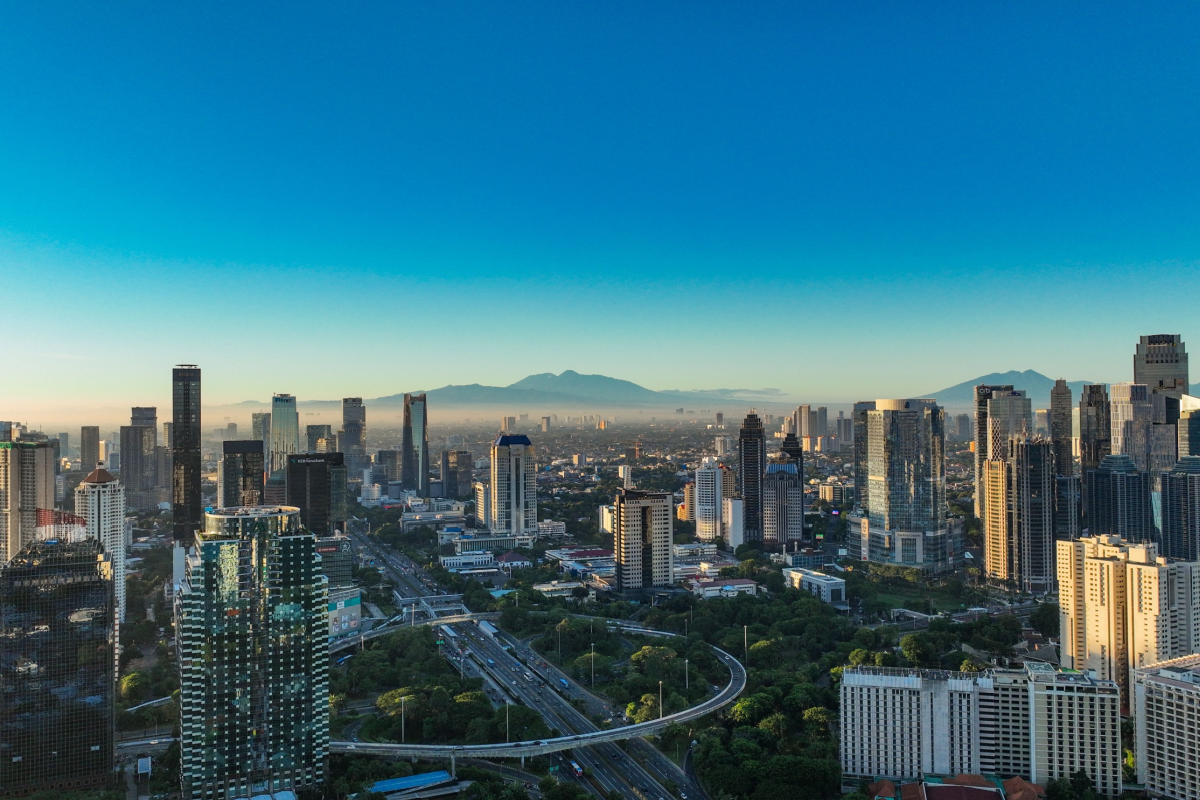
Jakarta has officially become the world’s most populous city, topping a new United Nations ranking that reflects the sweeping demographic transformation underway across Asia. The Indonesian capital, now home to nearly 42 million residents, surpassed Dhaka and Tokyo to claim the top position for the first time. The findings reveal rapid urban growth, shifting regional population dynamics and the expanding dominance of Asian megacities.
Asia Dominates the Global Urban Landscape
According to the “World Urbanization Prospects 2025” report, nearly half of the planet’s 8.2 billion people now live in cities, marking a dramatic doubling of the global urban population over the past 75 years. Nine of the world’s ten largest cities are located in Asia. Following Jakarta are Dhaka with 36 million residents and Tokyo, which previously held the top spot. Cairo, ranking seventh with 25 million inhabitants, remains the only non Asian city in the top tier.
Other cities rounding out the top 10 include New Delhi (30.2 million), Shanghai (29.6 million), Guangzhou (27.6 million), Manila (24.7 million), Kolkata (22.5 million) and Seoul (22.5 million). UN officials describe urbanization as a “defining force of our time,” emphasizing its potential to drive climate action, economic progress and more equitable societies when managed strategically.
Growth of Megacities and Future Projections
In 1975, only eight megacities had populations of at least 10 million. Today, that number has climbed to 33, with 19 located in Asia. The United States has just two: Los Angeles and New York. By 2050, the UN projects that the number of cities worldwide may exceed 15,000, though most will have populations below 250,000.
Dhaka is expected to become the world’s largest city by mid century with a projected 52.1 million residents. Tokyo, meanwhile, is poised to lose 2.7 million residents by 2050 due to Japan’s aging demographics. These trends highlight diverging population trajectories driven by fertility rates, migration, economic shifts and climate pressures.
Jakarta’s Challenges and Capital Relocation Plans
Jakarta’s rapid rise has brought substantial strain. The city faces chronic overcrowding, severe air pollution and recurring floods. It is also one of the world’s fastest sinking cities, prompting former President Joko Widodo to announce a capital relocation to Nusantara on the island of Borneo. The project aims to reduce pressure on Jakarta and promote more balanced national development.
However, progress has been hindered by construction delays, limited foreign investment and complex land management issues. As Jakarta continues to swell in size, the long term success of the relocation plan remains uncertain.