

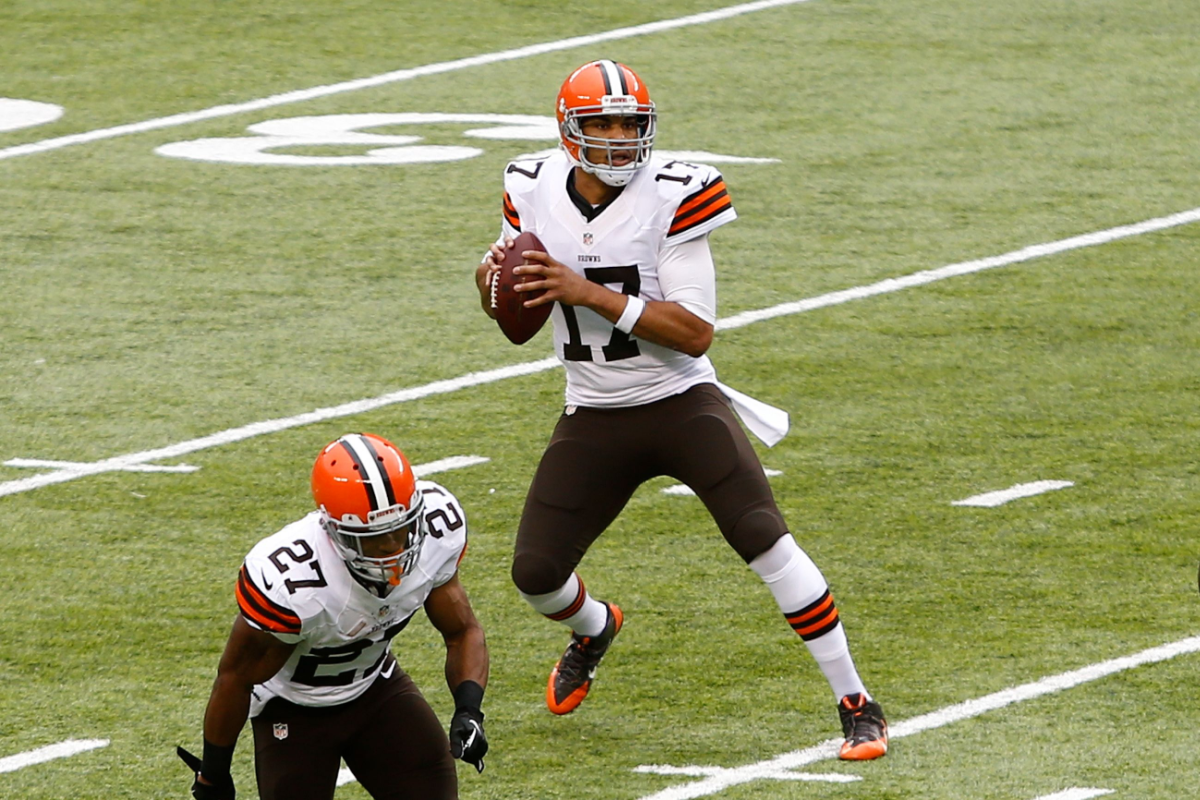
The upcoming matchup between the Cleveland Browns and the Las Vegas Raiders has sparked discussion far beyond the scoreboard. The focus now extends to quarterback Shedeur Sanders, public reaction to his early performances, and the broader questions surrounding the Browns strategic direction following the recent departure of key executive Paul DePodesta. This article examines how the current moment reflects deeper issues in Cleveland’s long term planning.
Public Pressure Around Shedeur Sanders
Shedeur Sanders enters the game under an unusual degree of national attention. Supporters have defended him after critiques related to practice repetitions and performance expectations, questioning why a young quarterback is receiving such intense scrutiny. At the same time, a vocal group appears ready to judge his progress prematurely. Analysts note that reactions often stem from the media narrative surrounding Sanders rather than his actual on field behavior or development trajectory.
Leadership Changes in Cleveland
The departure of Paul DePodesta, the Browns former chief strategy executive, adds another layer to the conversation. DePodesta, known for his work in baseball analytics before joining Cleveland in 2016, played a central role in shaping the franchise’s analytical approach. His move to the Colorado Rockies leaves the Browns without the architect of their long running planning philosophy at a moment when the team appears to be reassessing its direction.
Evaluating the Browns Strategic Models
Over the past decade, the Browns experimented with several high profile roster building strategies. These included full scale rebuilds, large accumulations of draft capital and rapid trades involving quarterbacks. The team also explored concepts used by successful franchises, such as selecting multiple quarterbacks within close timeframes to maximize competition and development. While these strategies were ambitious, inconsistency in execution raised questions about whether the organization ever fully committed to a single long term identity.
What the Raiders Game Represents
The upcoming game offers a window into the state of the Browns project. Sanders performance will be evaluated not only on individual merit but also as a reflection of Cleveland’s drafting and development process. More broadly, the game highlights the uncertainty created by leadership changes and years of shifting strategic approaches. For many observers, the real issue is whether the Browns have built an environment where young players can succeed.
Conclusion
The Raiders Browns matchup carries significance beyond the standings. It raises important questions about Cleveland’s long term planning, the impact of leadership change and the pressures placed on emerging talent like Shedeur Sanders. As the Browns navigate another period of transition, the franchise faces renewed scrutiny over whether its strategies can produce stable and sustainable progress.