

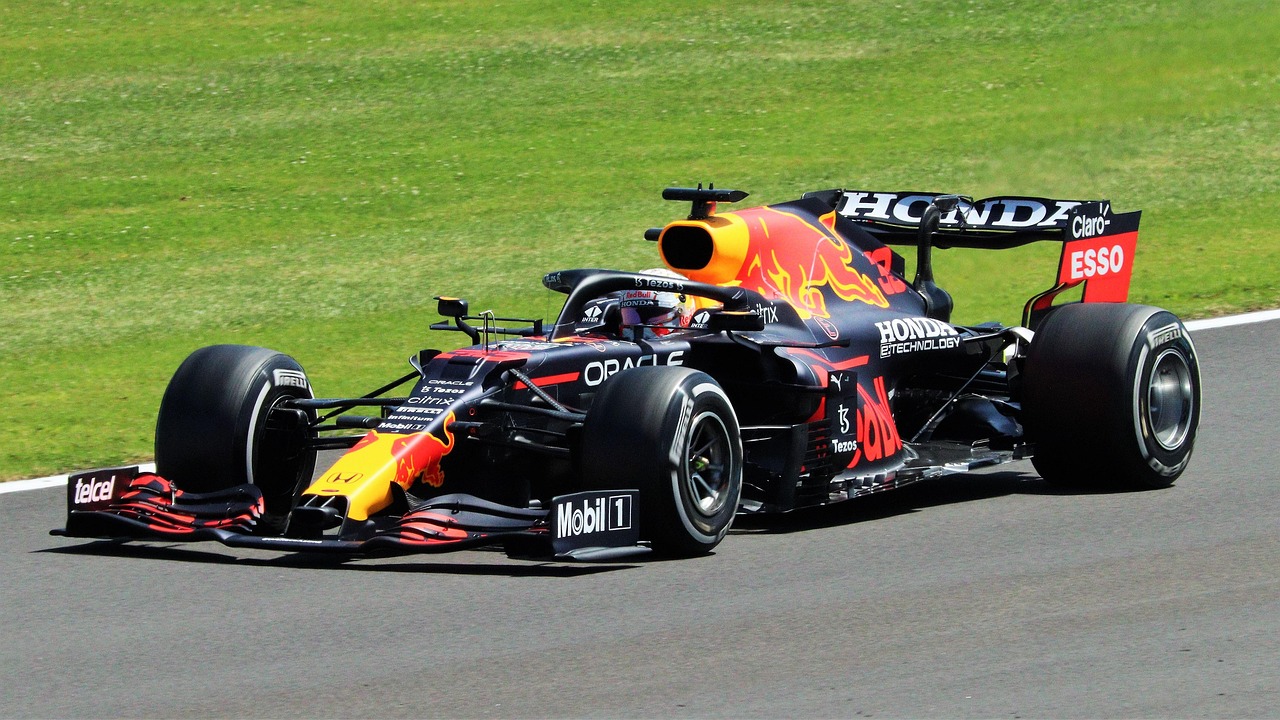
Max Verstappen’s latest comments have pushed Formula 1 into one of the most uncomfortable debates of its modern era. The four time world champion is no longer merely hinting that his career may be shorter than expected. He now appears to be seriously weighing whether to walk away from the series, either permanently or through a sabbatical, at a point when he is still one of the sport’s defining figures and has not yet turned 29.
That makes the issue far bigger than a star driver reacting badly to a difficult spell on track. Verstappen’s frustration is tied to the sport’s sweeping new hybrid regulations, which place a far greater emphasis on harvesting and deploying electrical energy. He has openly dismissed the cars as anti racing and compared them to a game, arguing that the new format undermines the kind of wheel to wheel competition that has long defined Formula 1’s appeal.
The timing has sharpened the tension. Red Bull has started the season well off the pace, with Verstappen finishing only eighth in Japan after a Q2 exit in qualifying and posting a best result of sixth in Australia. In isolation, poor form could explain some anger. But his public remarks suggest something deeper: a growing sense that the sport itself is moving in a direction he no longer enjoys.
Comments that no longer sound hypothetical
Across the Suzuka weekend, Verstappen delivered his clearest indication yet that leaving Formula 1 is a genuine possibility. Asked whether he could walk away at the end of the season, he said he was thinking about everything in the paddock and weighing whether the full 24 race calendar was still worth it if he was no longer enjoying the sport. He also spoke candidly about spending more time at home with family and friends, a striking contrast to the relentless schedule that defines modern Formula 1.
His remarks after the race were even more revealing. Verstappen said that each day he wakes up and convinces himself to keep going, adding that he tries. That is a remarkable statement from a driver still regarded by many as the most complete competitor on the grid. It suggests not momentary irritation, but emotional fatigue with both the machinery and the environment around it.
The mood had already been visible a day earlier. After being knocked out in Q2, Verstappen said he was no longer even frustrated, describing himself as beyond disappointment and unable to put his feelings into words. Dutch media with close ties to his camp soon amplified retirement talk, reinforcing the idea that this is no passing outburst. The threat now looks tangible in a way it never has before.
The regulation battle behind the crisis
The heart of the dispute is Formula 1’s new technical formula, especially the unprecedented 50 50 split between internal combustion power and electrical deployment. That balance was designed to keep the championship aligned with wider automotive trends and helped convince Audi to join the grid as a manufacturer. On paper, that was a strategic success for Formula 1. Inside the paddock, however, the new cars have drawn criticism from several leading drivers.
Verstappen has been the most outspoken, but not the only one. Lando Norris has said the cars have gone from the best in 2025 to the worst in 2026. Fernando Alonso mocked the series as a battery championship, while Charles Leclerc described parts of the qualifying experience as a joke because the cars no longer reward pure commitment in the same way. The complaints point to the same concern: too much of the racing is now shaped by managing energy rather than attacking corners and fighting naturally for position.
The criticism is not purely philosophical. Suzuka also exposed a safety issue when Oliver Bearman had to avoid Franco Colapinto’s Alpine while dealing with a closing speed difference of nearly 50 mph caused by uneven battery deployment. Carlos Sainz later accused Formula 1 and the FIA of ignoring repeated driver warnings. That incident has increased pressure on the sport to review the rules quickly, especially during the four week break created by the cancellation of two Middle East races.
Contract options and Red Bull’s dilemma
Verstappen is tied to Red Bull through 2028 in a deal reportedly worth about $70 million a year, but the contract is not as immovable as it sounds. Performance related exit mechanisms have been a talking point before, and there are indications that a similar clause exists for 2026, specifically written with the new regulations in mind. Reports suggest he may have a route out if Red Bull is not first or second in the competitive order by midseason.
That clause was originally seen as a safety net in case the new era produced a better team elsewhere on the grid. Now it may serve a different purpose altogether. Instead of enabling a switch to another contender, it could allow Verstappen to step away from Formula 1 entirely. Sources have indicated that a sabbatical may be more likely than full retirement, but even a temporary exit would be a seismic development for both Red Bull and the championship.
There are further layers to the situation. Red Bull’s contractual structure could allow Verstappen to remain linked to the company in an ambassador role even if he stopped racing, softening the break without keeping him on the grid. Financially, that would still mean turning away from a huge amount of money, but Verstappen has made clear that enjoyment matters more to him than earnings. For a driver who says he wants to race because it is fun, not because it is lucrative, that distinction matters.
A defining test for Formula 1’s new era
Formula 1 now faces an uncomfortable possibility: that one of the greatest drivers of his generation could become the most powerful symbol against its new rules. If Verstappen leaves before his 30th birthday, the regulations will be remembered not just for changing racing dynamics, but for helping drive a four time champion out of the sport while he was still at his peak.
Red Bull team boss Laurent Mekies has tried to keep the focus on performance, arguing that giving Verstappen a faster car would make him a happier driver. That may be partly true, especially after Red Bull’s poor start and the growing doubts around its competitiveness under the new power unit era. Yet the concerns extend beyond results. Verstappen’s dissatisfaction began long before this season’s struggles became obvious, and several influential figures across the paddock privately agree that the formula itself is flawed.
The coming weeks could therefore shape more than one championship. Formula 1, the FIA, teams, and manufacturers are entering a political and technical fight over whether meaningful tweaks can be made without creating new problems or undermining investments tied to the existing rules through 2030. Verstappen has already signaled that they know what needs to change. Whether the sport is willing, or able, to move fast enough may decide not only his future, but also how this entire era is remembered.