

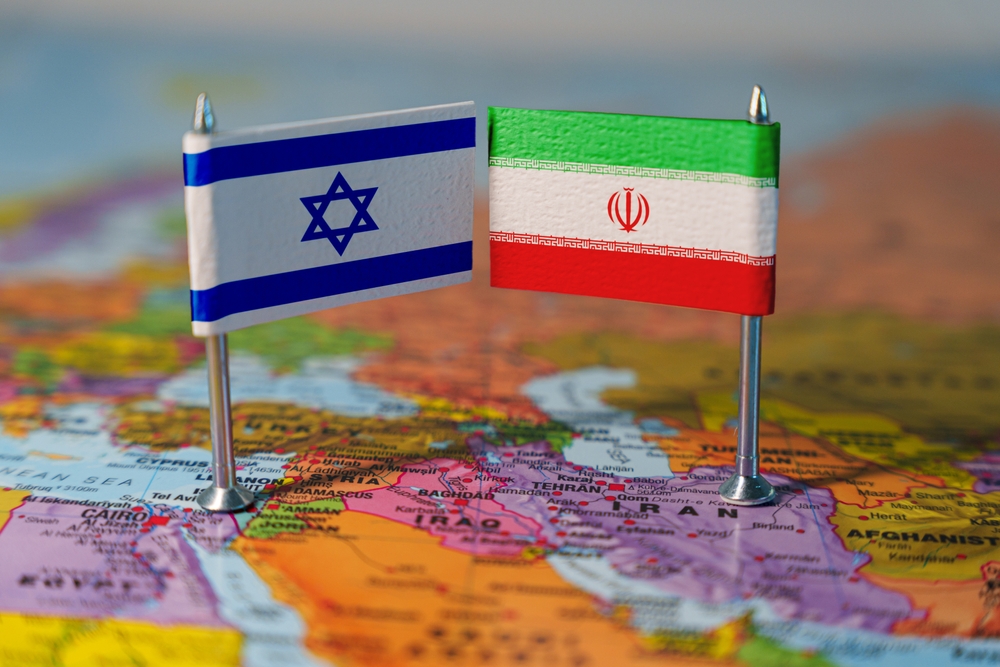
Israel’s parliament has approved the country’s annual budget after an overnight session, handing Prime Minister Benjamin Netanyahu a major political victory at a highly sensitive moment. The vote removes the immediate threat of early elections, which would have been triggered automatically if the budget had not passed before April 1, and makes it far more likely that his government will now survive until the fall.
The timing is especially important because the budget fight unfolded against the backdrop of active war, missile alerts, and deep domestic frustration over how state resources are being allocated. Israel is absorbing the financial burden of its conflict with Iran while also remaining marked by the long aftermath of the Gaza war. In that environment, the budget was never going to be treated as a routine fiscal measure. It became a test of coalition discipline, wartime priorities, and Netanyahu’s ability to keep power despite weakening popularity.
The government succeeded, but not without intensifying divisions. Opposition leaders accused the coalition of using the moment to protect its political alliances rather than responding fairly to the strain on the broader public. The debate over military spending, social allocations, and exemptions for ultra Orthodox communities has now become central to the next phase of Israel’s political battle.
A budget vote with immediate political consequences
The budget passed by a vote of 62 to 55, enough to secure the government’s stability and prevent an automatic collapse of the coalition. Under Israeli law, failure to approve the budget by the deadline would have forced early elections. By clearing that hurdle, the government has gained breathing room and sharply improved its chances of completing its term, which runs until elections must be held by the end of October.
That matters because Israeli governments rarely make it through a full term. The coalition has been under pressure for months, with the prime minister’s standing damaged since the Hamas attack of Oct. 7, 2023. Recent polling suggests that while much of the public strongly backs the war effort, the governing bloc has not received a comparable political boost. The budget therefore served as a critical mechanism for preserving power even without a clear revival in public support.
The circumstances of the session underlined the extraordinary climate in which the vote took place. According to parliament’s spokesperson, missile sirens linked to launches from Iran toward Jerusalem interrupted the debate three times. Lawmakers met in the building’s auditorium instead of the main chamber because it was closer to a bomb shelter, a reminder that the country’s political decisions are being made under direct wartime pressure.
Defense spending rises as other ministries absorb cuts
The new budget totals $270 billion, making it the largest in Israel’s history. A major driver of that figure was a 20% increase for the Defense Ministry as the war with Iran continues. Defense spending has now climbed to $45 billion, forcing reductions elsewhere in government and intensifying the broader argument over fiscal priorities during a period of national strain.
The scale of the military increase reflects how much the conflict is reshaping the state’s financial choices. Iran continues to launch missiles at Israel on a daily basis, disrupting normal life for millions of residents. At the same time, the confrontation with Hezbollah in Lebanon is intensifying, adding another security burden. The wider regional crisis, including disruption to oil flows from the Persian Gulf, has also fed into global economic turbulence, adding to the sense that Israel is budgeting not just for war, but for prolonged instability.
For supporters of the government, this justified a major shift toward defense. Finance Minister Bezalel Smotrich praised the plan and said it takes care of all Israeli citizens without exception. For critics, however, the issue is not whether wartime spending is necessary, but whether the rest of the budget reflects the sacrifice being demanded from the country as a whole.
Funding for ultra Orthodox schools sparks backlash
The fiercest anger from the opposition centered on a last minute amendment that added another $250 million for ultra Orthodox schools. That provision became politically explosive because it arrived at a moment when resentment is already rising over the ultra Orthodox community’s long standing resistance to mandatory military service. Most Jewish citizens in Israel are subject to conscription, and the armed forces are under heavy strain as the country fights on multiple fronts.
Opposition leaders used unusually harsh language to describe the move. Yair Lapid called the budget the greatest theft in the state’s history, while former Prime Minister Naftali Bennett described it as a nocturnal heist carried out by a government of gluttony and evasion. Their criticism was aimed not only at the extra funding itself, but at what it symbolized: a coalition preserving its core alliances even as other Israelis face growing insecurity, fiscal pressure, and military burden.
The dispute touches one of the deepest tensions in Israeli politics. The coalition’s governing strength has often depended on religious parties, but that partnership becomes harder to defend publicly when reserve forces are stretched, public spending is being redirected, and criticism grows over who is sharing the cost of national defense. The school funding fight is therefore likely to remain a potent issue well beyond the budget vote.
The election clock has moved, not disappeared
Although the budget lowers the immediate risk of early elections, it does not eliminate the political danger facing the government. It is now more likely to remain in office until the fall, but the campaign environment it will face could still be volatile. The ruling bloc may hope that by then the immediate trauma of nightly missile warnings will have eased and that it can campaign from the position of having maintained stability under pressure.
That calculation carries risks of its own. A fall election would come close to the anniversary of the Oct. 7 attack, the deadliest day in Israel’s history and an event that continues to shape public judgment of the current leadership. Even if military operations against Iran continue to command strong support, voters may still separate backing for the war from confidence in the coalition managing it.
The wartime setting also remains deeply intrusive in civilian life. Israel has extended emergency guidelines for another week, restricting large gatherings and urging residents to stay close to bomb shelters. Those measures will cover at least the beginning of Passover, which starts on Wednesday. The budget vote may have secured the government more time, but it did so in a country where politics, war, and daily life remain inseparably tied.