

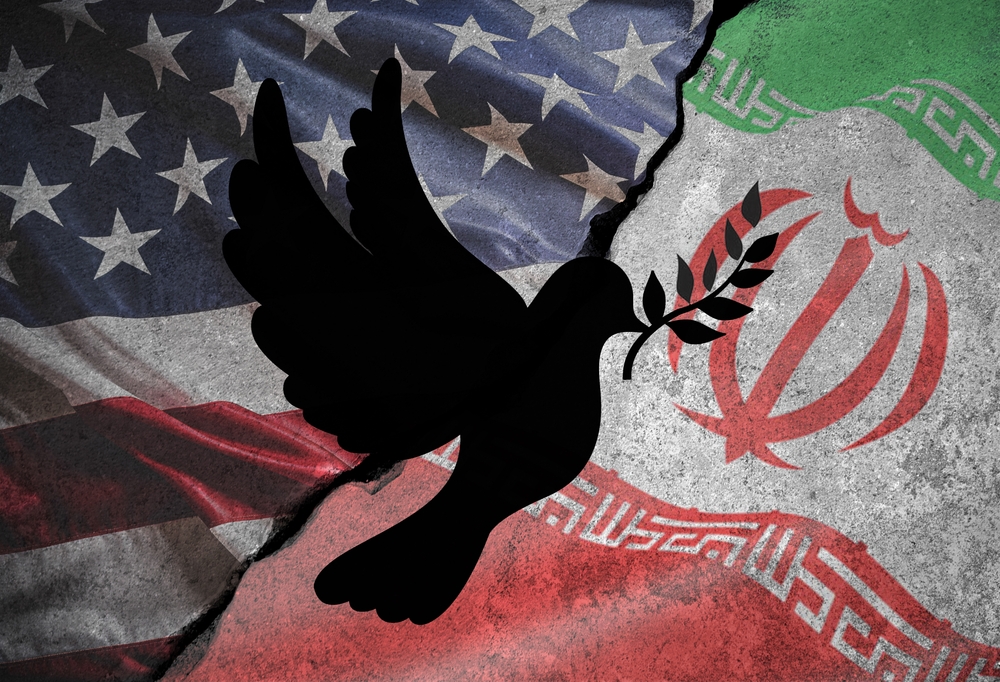
The newly announced ceasefire between the United States and Iran is already facing a serious test because it does not appear to cover Israel’s military campaign against Hezbollah in Lebanon. That gap has created immediate confusion over what the agreement actually includes and whether the broader calm being pursued through mediation can hold if one major front in the conflict remains active.
The dispute matters because stopping Israeli strikes in Lebanon was reportedly one of Iran’s key demands in the ceasefire talks. If Tehran believes that promise has been broken or reinterpreted, the risk is that the agreement could begin to unravel almost as soon as it was announced. That would be especially dangerous given renewed Iranian threats to resume fighting and to close the Strait of Hormuz if the Lebanon front continues to burn.
What should have been a diplomatic opening is now turning into a struggle over definitions, commitments and political messaging. Instead of a clear pause in regional hostilities, the ceasefire is already being challenged by competing public claims from Washington, Islamabad, Tehran and Jerusalem.
Washington and mediators are not describing the deal the same way
The immediate source of tension is a contradiction over the scope of the ceasefire. Pakistani Prime Minister Shehbaz Sharif said when the agreement was announced that it would apply everywhere, including Lebanon and other conflict zones. That statement helped create the impression that the deal was meant to calm multiple fronts at once, not only direct U.S.-Iran hostilities.
But that interpretation was quickly challenged. Israeli Prime Minister Benjamin Netanyahu said the ceasefire did not include Lebanon, and the White House later reinforced that position. According to the U.S. view, the truce does not apply to Israel’s ongoing operations against Hezbollah.
This contradiction is not a minor diplomatic detail. It goes to the heart of the agreement’s credibility. If the parties are presenting different versions of what was actually agreed, then the ceasefire begins from a position of uncertainty rather than stability.
Lebanon has become the first major test of the truce
The Lebanon front was already highly volatile before the ceasefire announcement. Hezbollah opened a new theater in the war soon after the U.S. and Israel attacked Iran, launching missile strikes at Israel. Israel responded with air attacks in Beirut and other parts of Lebanon, then escalated further with a ground invasion and occupation of large areas in the south.
According to the source material, thousands of Israeli troops are now positioned deep inside Lebanese territory, and the Israeli government says it will not withdraw or allow large numbers of displaced Lebanese civilians to return home until Hezbollah is disarmed. That makes Lebanon much more than a side conflict. It is now one of the most explosive pieces of the wider regional war.
If hostilities continue there at full intensity, it becomes much harder to argue that the region is truly in a ceasefire phase, even if direct U.S.-Iran military exchanges slow down.
Israeli strikes have deepened the contradiction
The situation became even more unstable when Israel carried out what the source material describes as a massive wave of strikes against Hezbollah targets in Beirut, the Beqaa Valley and southern Lebanon. The scale of the operation was presented by the Israeli military as the largest coordinated strike wave in Lebanon since the start of the war tied to Iran.
The operation reportedly involved 50 Israeli Air Force fighter jets and around 160 munitions aimed at 100 Hezbollah command centers and military infrastructure sites. According to the Lebanese Red Cross, the strikes left more than 80 people dead and around 200 wounded.
Those attacks make the diplomatic ambiguity far more dangerous. It is one thing for officials to disagree over language in the first hours of a ceasefire. It is another for one side to continue large scale military action while others insist the truce was supposed to be broader.
Iran is signaling that the deal could break
Iran has reacted by warning that the ceasefire may not survive if the Lebanon campaign continues. State-linked media cited in the source material said Tehran could withdraw from the agreement if Israeli attacks persist. Another report said oil tankers passing through the Strait of Hormuz had been halted after the large Israeli strikes, underlining how quickly the fallout could spread back into global energy markets.
Lebanese leaders have also accused Israel of violating the ceasefire spirit. Prime Minister Nawaf Salam and the Lebanese presidency both condemned the strikes, with Beirut describing them as a new massacre. Iran’s foreign minister, Abbas Araghchi, reportedly made the same case in conversations with other foreign ministers, arguing that the Lebanon attacks amount to a breach of the agreement.
That places the ceasefire in a fragile position. Even if Washington does not regard Lebanon as covered, Iran and its allies clearly see the matter differently. In practical terms, that means the agreement is being judged not by one shared interpretation, but by rival and incompatible ones.
A ceasefire without a common definition may not hold
The larger problem is that a ceasefire can only stabilize a conflict if all the key players accept the same basic terms. Here, that does not appear to be the case. The White House says Lebanon is outside the deal. Iran and Pakistani mediators have suggested otherwise. Israel has moved ahead militarily on that assumption, while Tehran is threatening consequences that could drag the broader war back into escalation.
That is why the current moment is so precarious. The ceasefire may exist on paper between the United States and Iran, but the surrounding conflict system is far more complex. Hezbollah, Lebanon, Israel and the Strait of Hormuz are all tied into the same regional equation, whether the formal wording of the deal recognizes that or not.
For now, the ceasefire is less a settled breakthrough than a contested diplomatic pause. Its survival may depend not on what was announced publicly, but on whether the parties can quickly close the gap between what each side says the agreement means. If they cannot, Lebanon may become the issue that breaks the truce before it has time to stabilize anything at all.